Summit Performance brings the suspension, ride height, fitment, and supporting upgrades together around how you want the truck to sit, drive, and perform.
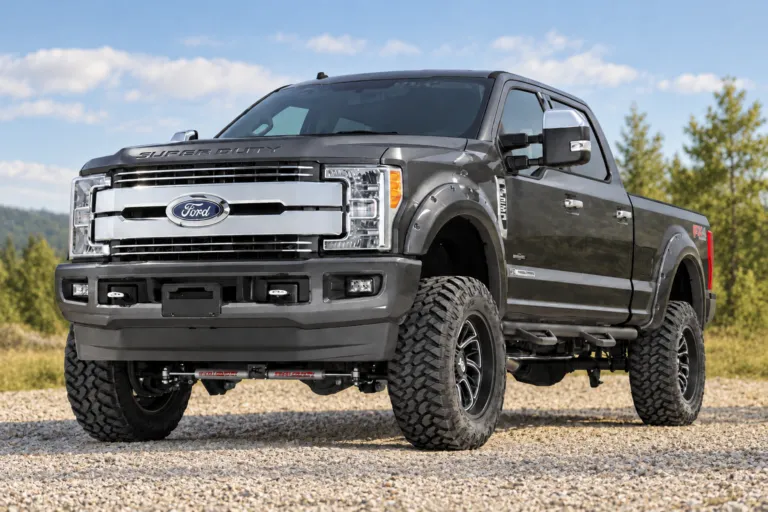
Changing ride height changes more than the way a truck looks. Suspension, fitment, clearance, steering, and drivability all feel the difference.
The best setup gets the stance you want without treating the rest of the truck like an afterthought.
The first question isn’t which kit. It’s what you want the truck to become.
Higher or lower. Daily driver, work truck, street truck, show truck, off-road, or somewhere in between. How you use it matters just as much as how you want it to sit.
The direction comes first so the suspension and everything around it work toward the same finished setup.
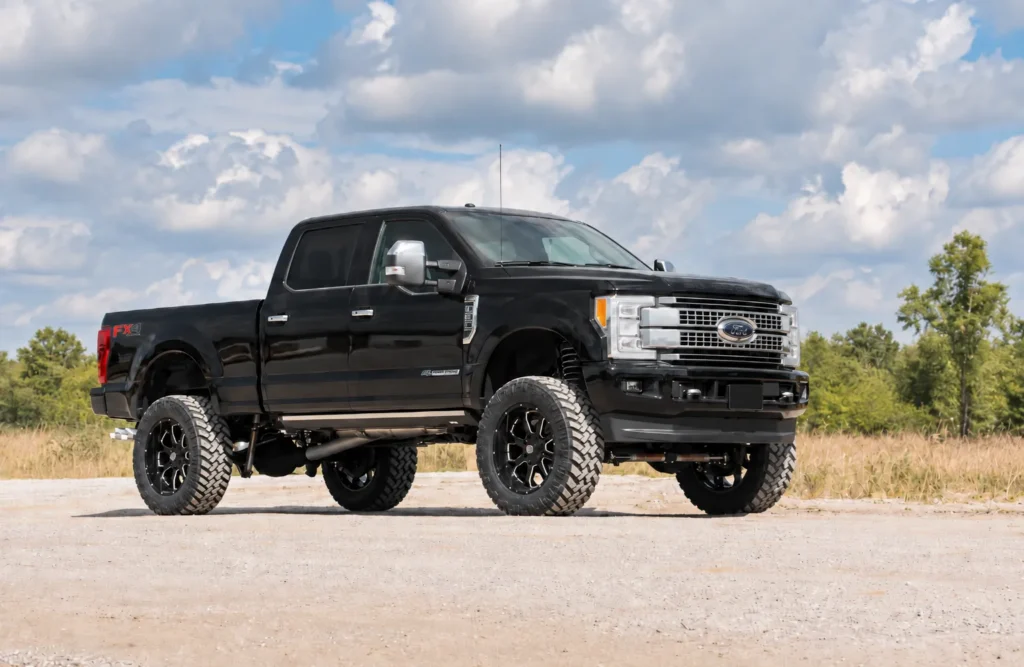
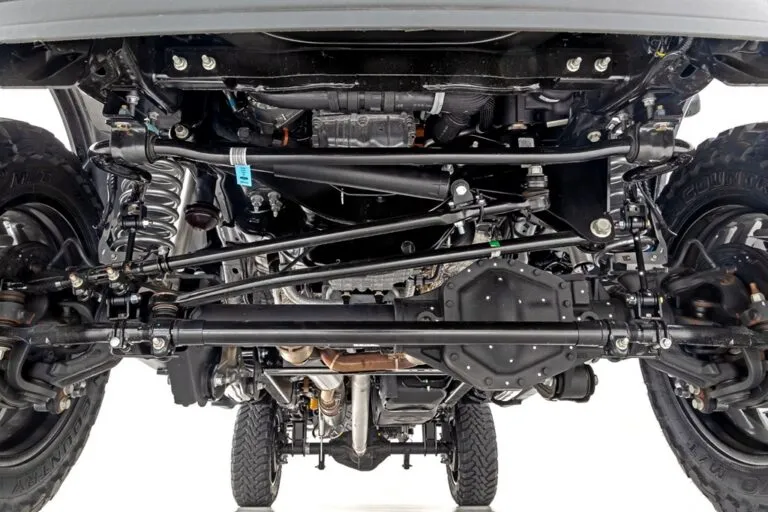
A lift can add clearance, change the stance, and open the door to a different wheel and tire setup. The amount of lift depends on the truck, how it will be used, and what else is changing around it.
Summit Performance looks beyond the added height so the finished setup works as a truck, not just a taller version of one.
Drop the ride height and the stance looks different immediately. But getting it lower is only part of the setup.
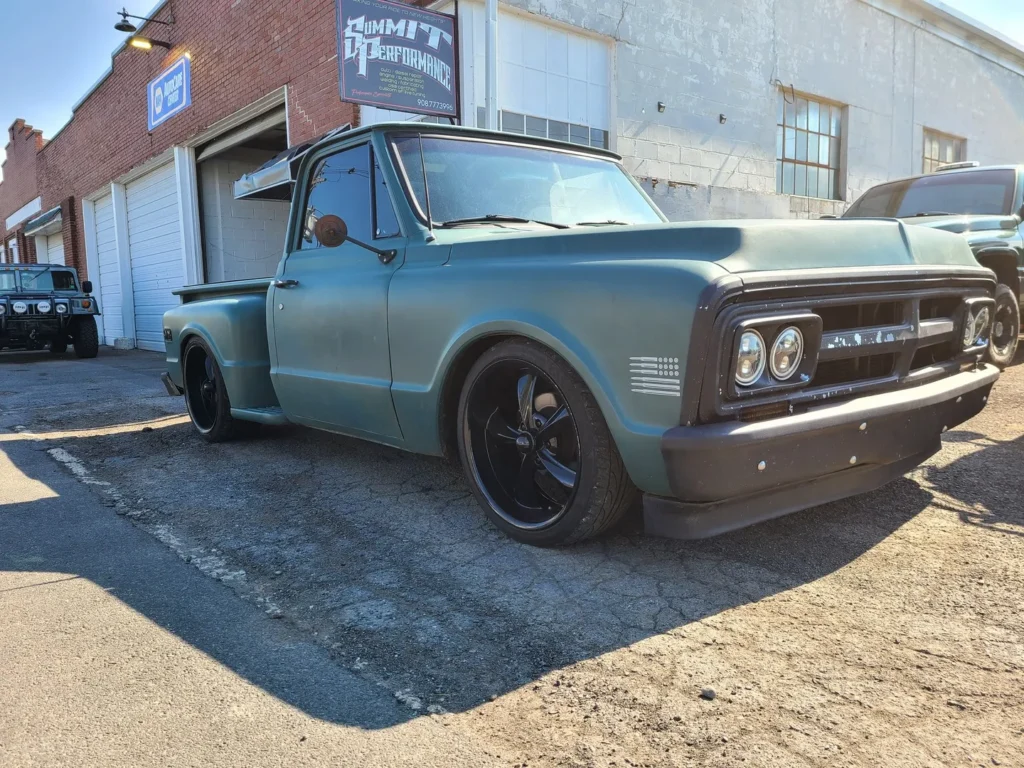
A lower stance changes fitment, suspension movement, handling, and everyday drivability along with the ride height.
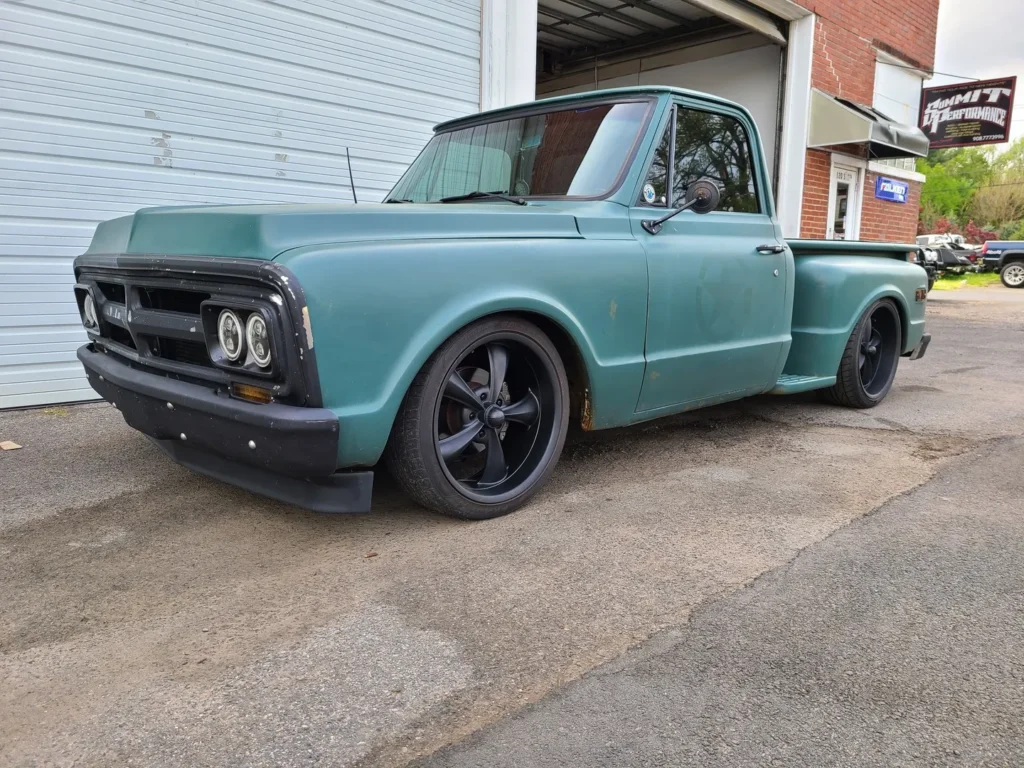
A new ride height changes how the suspension sits and moves. That new position changes the geometry and what the surrounding components are being asked to do.
Diameter, width, offset, clearance, and ride height all affect the final stance. A setup can look great on paper and still miss the mark once everything is on the truck.
Plan the suspension and fitment together, and the truck looks intentional instead of pieced together.
Set the truck at a new ride height, and tracking, steering, braking, and response all come into play. How it drives matters just as much as where it sits.
Some projects don’t stop at suspension. Brakes, mechanical upgrades, and other performance work can follow as the truck takes shape.
Summit Performance ties those upgrades into the rest of the truck instead of treating every modification like a separate job.
Supporting upgrades carry the same direction through the rest of the truck, whether the goal is function, appearance, or both.
The finished result should feel like one setup instead of a collection of add-ons.
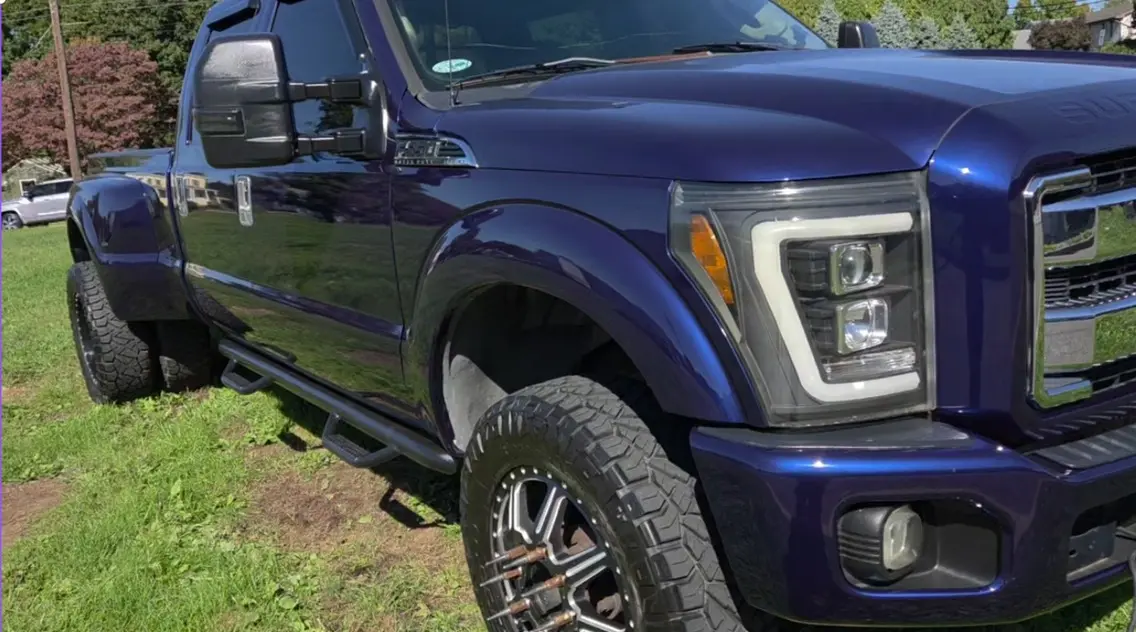
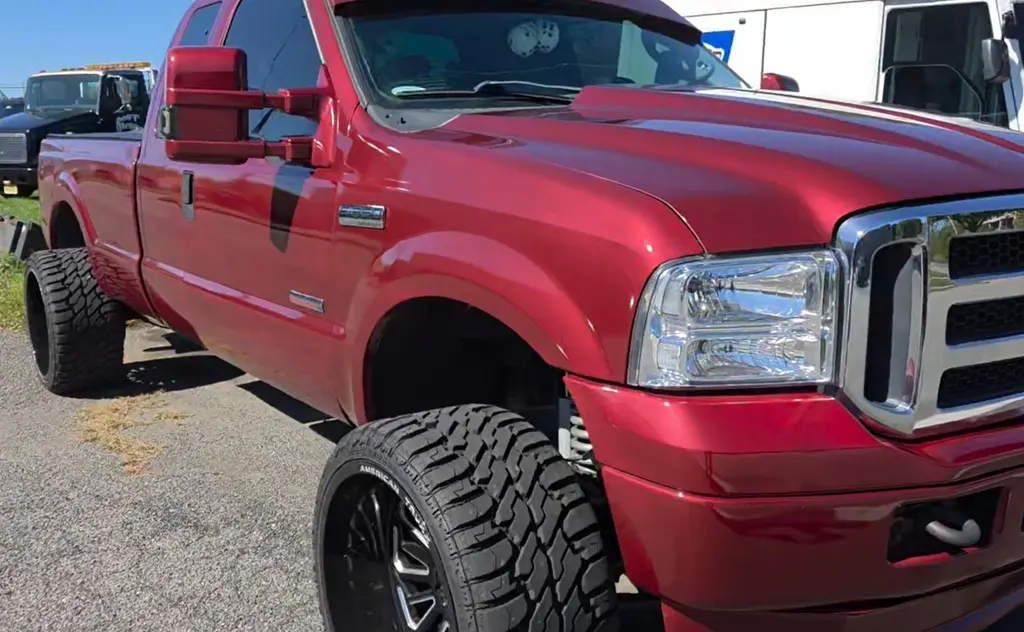
2006 Ford F-350 Super-Duty
This 2006 Ford F-350 Super Duty underwent a custom transformation, combining extensive bodywork, engine upgrades, and components from 2008 through 2015 model years to create a truly unique look. The build features a 3.5-inch lift kit, 35-inch tires, custom paint, and a redesigned front end inspired by the 2015 Super Duty. The result is a one-of-a-kind truck that blends multiple generations of Ford styling with an aggressive stance and commanding road presence.
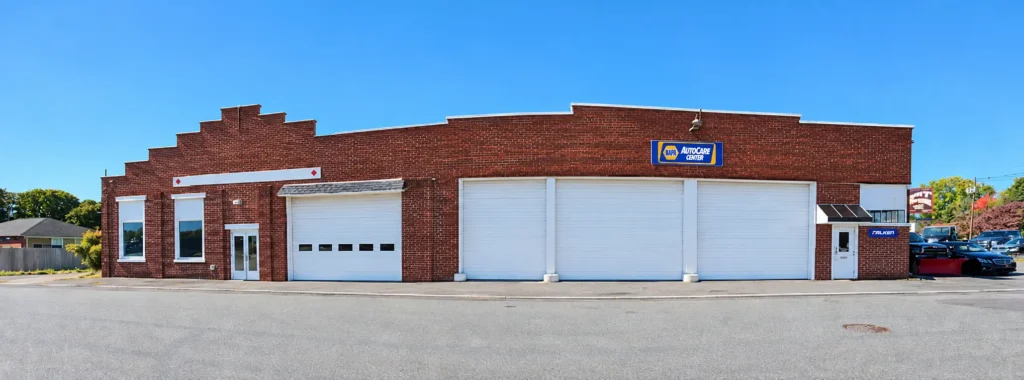
Summit Performance’s 20,000-sq.-ft. facility in Phillipsburg, NJ keeps larger vehicles and multi-stage truck projects organized, protected, and moving from suspension work through the finished setup.
Tell Summit Performance what you’re driving, where you want the stance to go, how you use the truck, and what else you have planned.
There is no one height that works for every truck. The right amount depends on the vehicle, how you want it to sit, how it will be used, wheel and tire plans, ride and handling expectations, and any other changes being made around the suspension. Summit Performance looks at the finished direction before deciding how far the height should change.
Yes. Changing ride height can affect suspension geometry, steering, handling, clearance, ride quality, and other parts of the setup. How noticeable those changes are depends on the truck, the amount of lift or drop, and the components involved. The goal is to plan the suspension around both the stance and the way the truck will be driven.
Yes. Wheel diameter, width, offset, tire size, clearance, and ride height all work together. Summit Performance can factor fitment into the suspension plan so the stance and available clearance are considered before the finished setup comes together.
Sometimes. The answer depends on the truck, the amount of ride-height change, the suspension design, and the kit being used. A larger change may affect more surrounding components than a mild one. Summit Performance evaluates the setup as a whole rather than assuming the kit is the only part involved.
Potentially. The existing setup needs to be evaluated first so Summit Performance can see what has already been installed, how it was installed, what condition it is in, and whether those parts make sense for the direction of the truck. From there, the next step can be determined.
Yes. Suspension work can be part of a larger truck project that includes additional performance, appearance, or functional upgrades. The key is making sure the changes support the same finished direction instead of fighting one another.
It can. A daily-driven truck has different priorities than a show truck, dedicated off-road setup, or truck built around a more specialized use. Ride, clearance, handling, tire fitment, and everyday usability should all be considered when deciding how aggressive the setup should be.