Summit Performance gets the panels straight, the gaps consistent, the lines clean, and the prep and finish right so the exterior holds up from every angle.
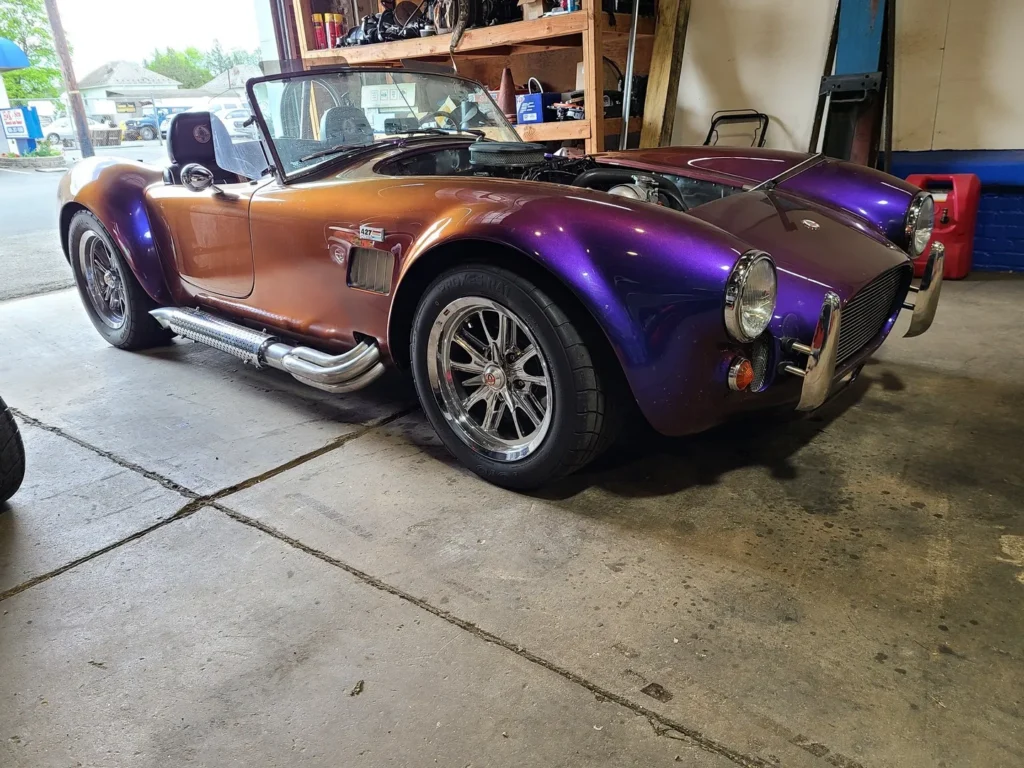
Waves, poor gaps, old filler, previous repairs, and uneven panels do not disappear under paint. If anything, a good finish can make them easier to see.
The body needs to be worked straight, fitted properly, and prepared before the color ever goes on.
Old paint can hide a lot. Previous repairs, rust, damaged metal, layers of filler, poor fitment, and surface problems all affect what happens next.
Before you know how far the bodywork needs to go, you have to know what’s underneath it.
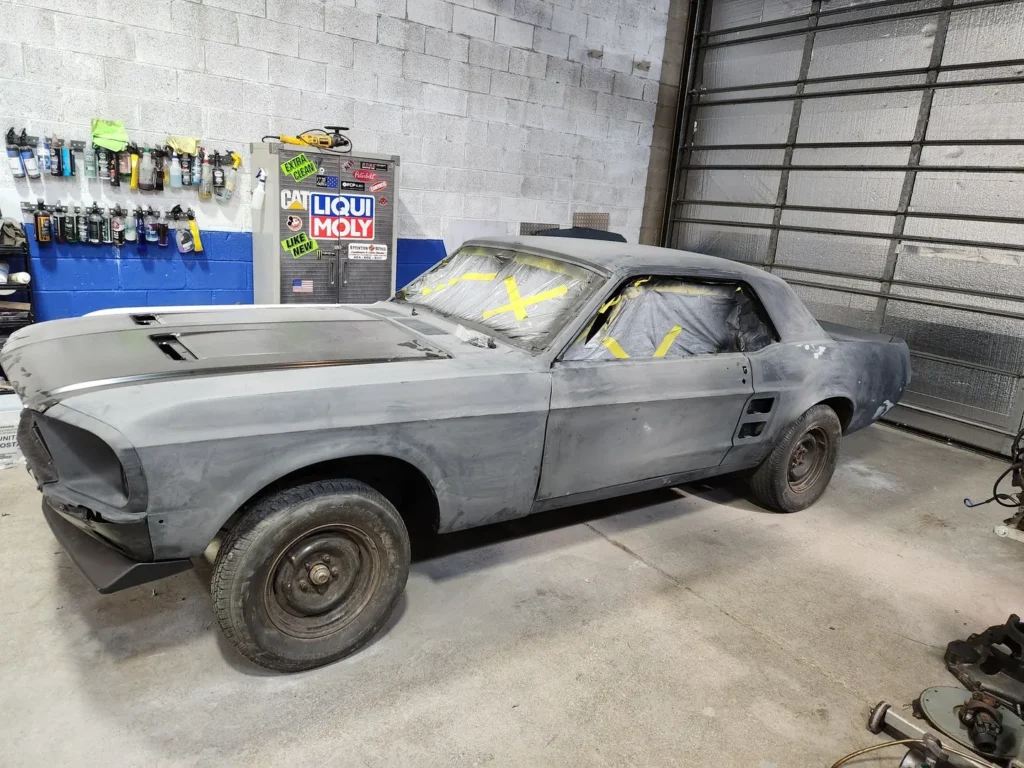
Dents, waves, damage, and previous bodywork can throw off an entire side of a vehicle. The goal is to bring the shape back so the panel looks clean on its own and lines up with everything around it.
Doors, hoods, trunks, fenders, and adjoining panels should look like they belong together. Uneven gaps and poor fitment need attention before the finish locks everything in.
Body lines should carry from one panel to the next without wandering, dropping, or fighting each other. When the shape flows correctly, the whole exterior looks cleaner.
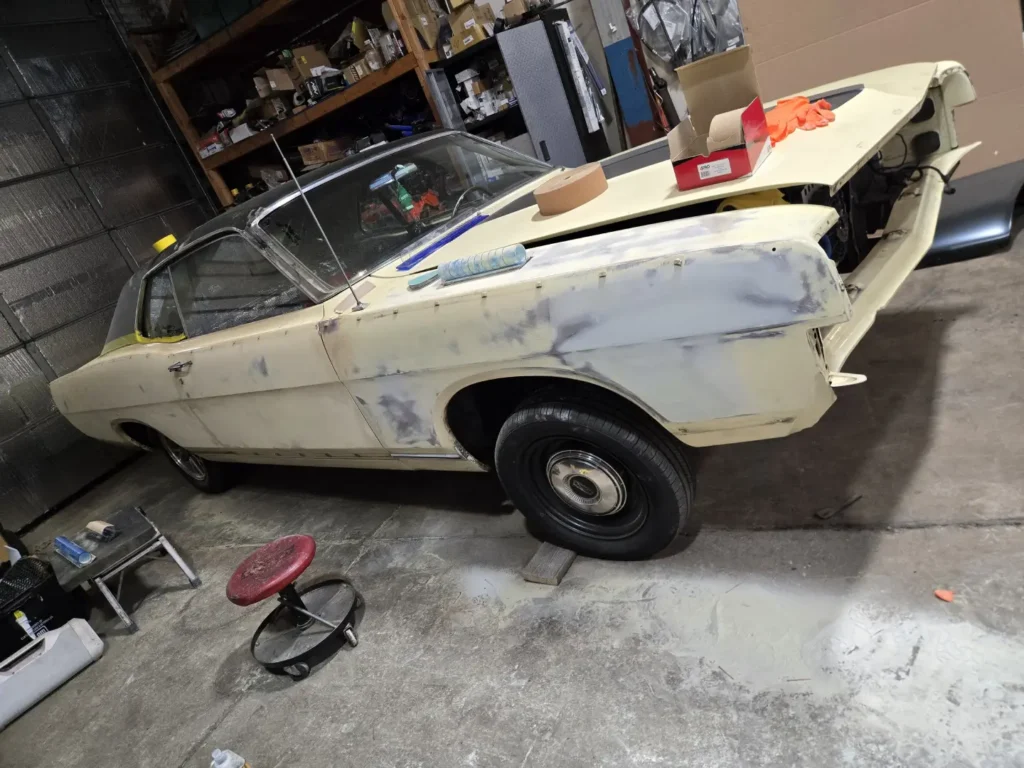
Bodywork can uncover rust, damaged metal, old patches, bad welds, or previous repairs that take more than sanding and filler to correct.
When the metal underneath is the problem, the correction starts there before the bodywork and finish can go any further.
The finish starts long before color. Surface correction, refinement, and preparation create the straight, consistent surface a clean reflection depends on.
Rush the prep, and the finish tells on you.
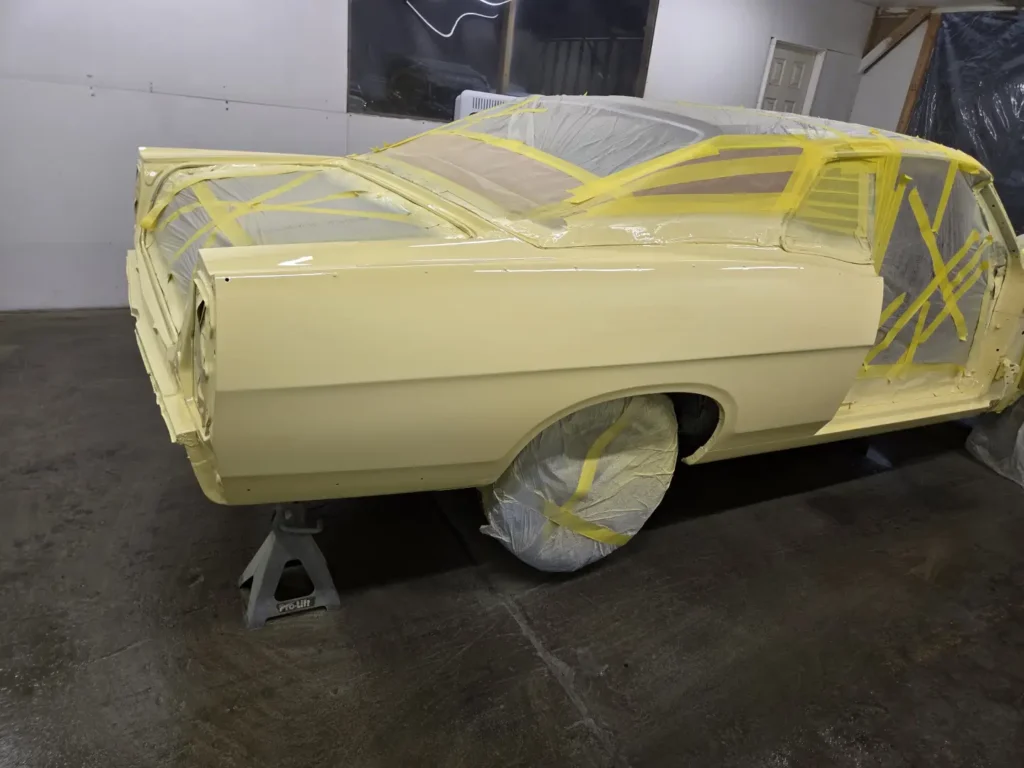
The closer you look, the more the work should hold up.
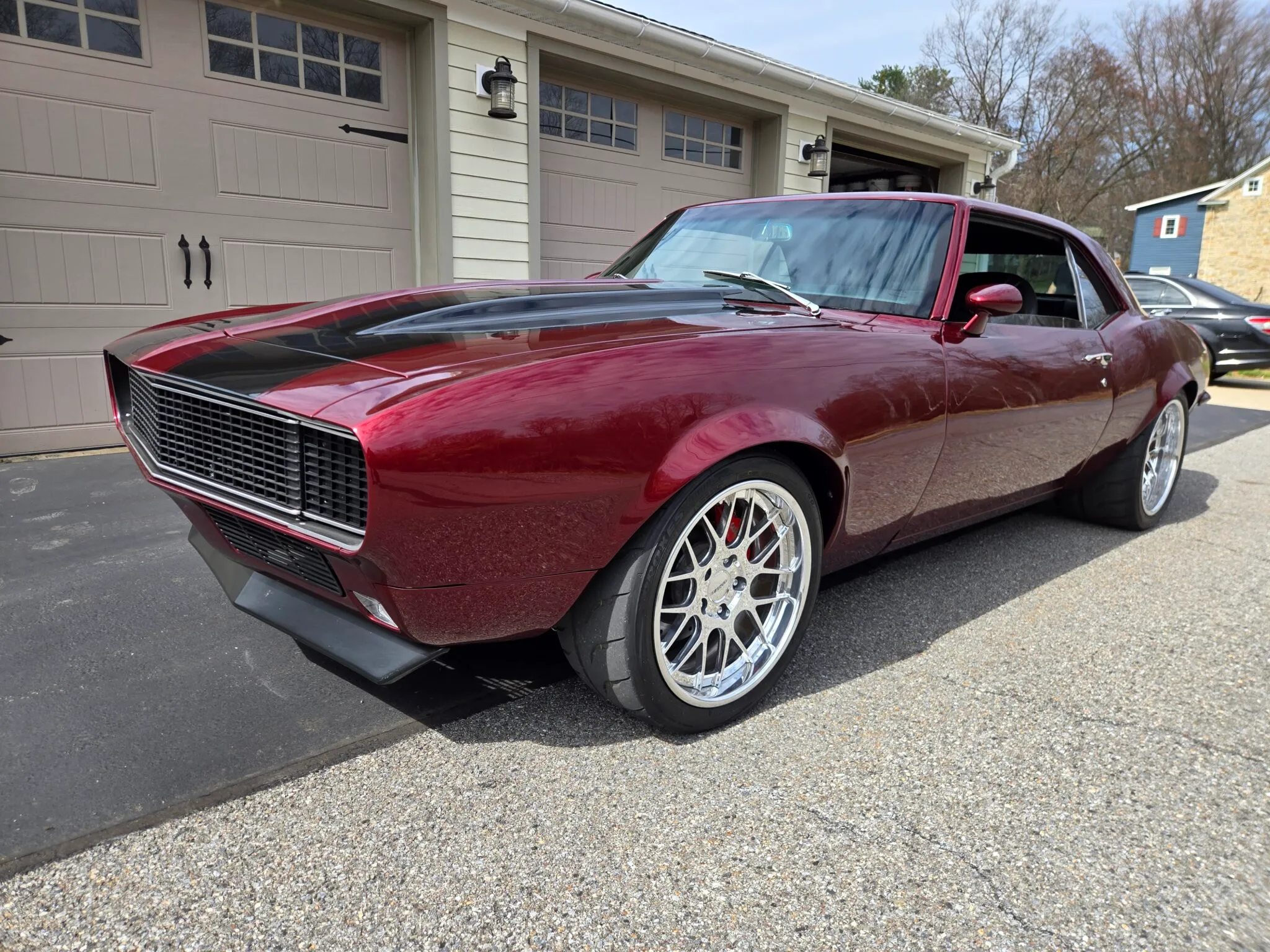
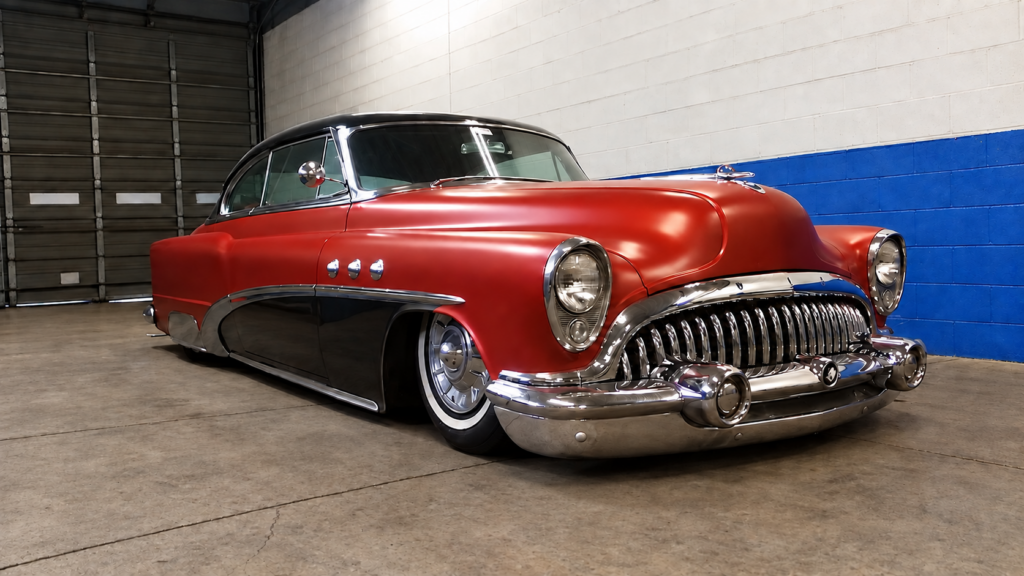
Color can change the entire personality of a vehicle. The finish should feel like it belongs there and carry the look of the project all the way through.
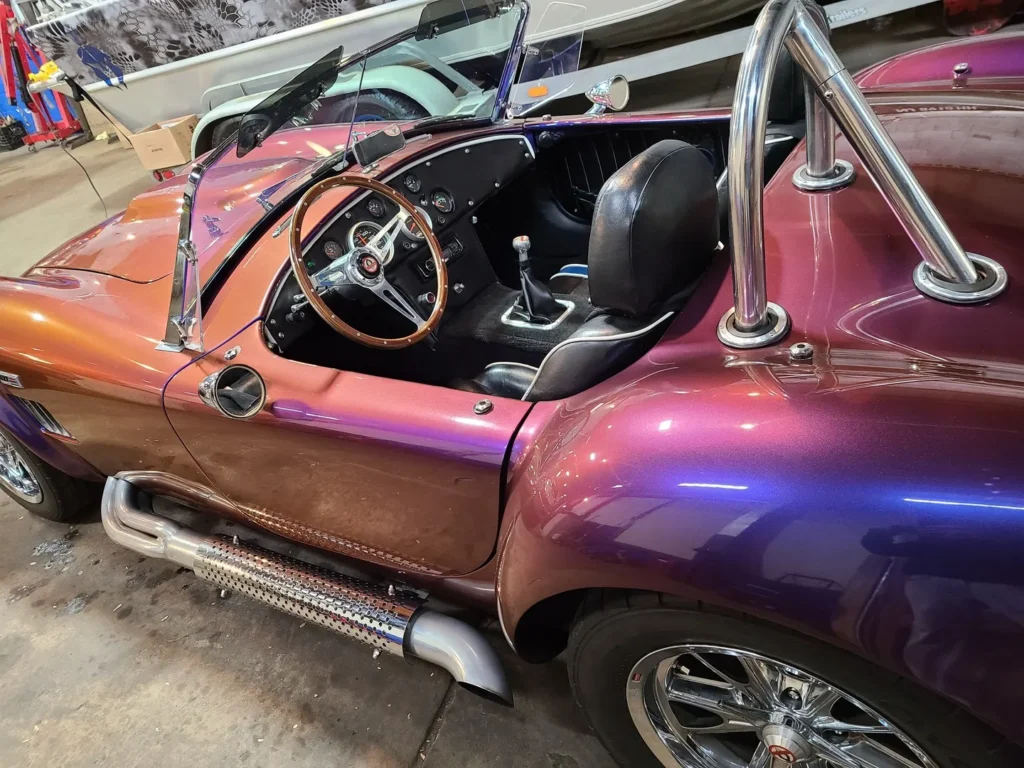
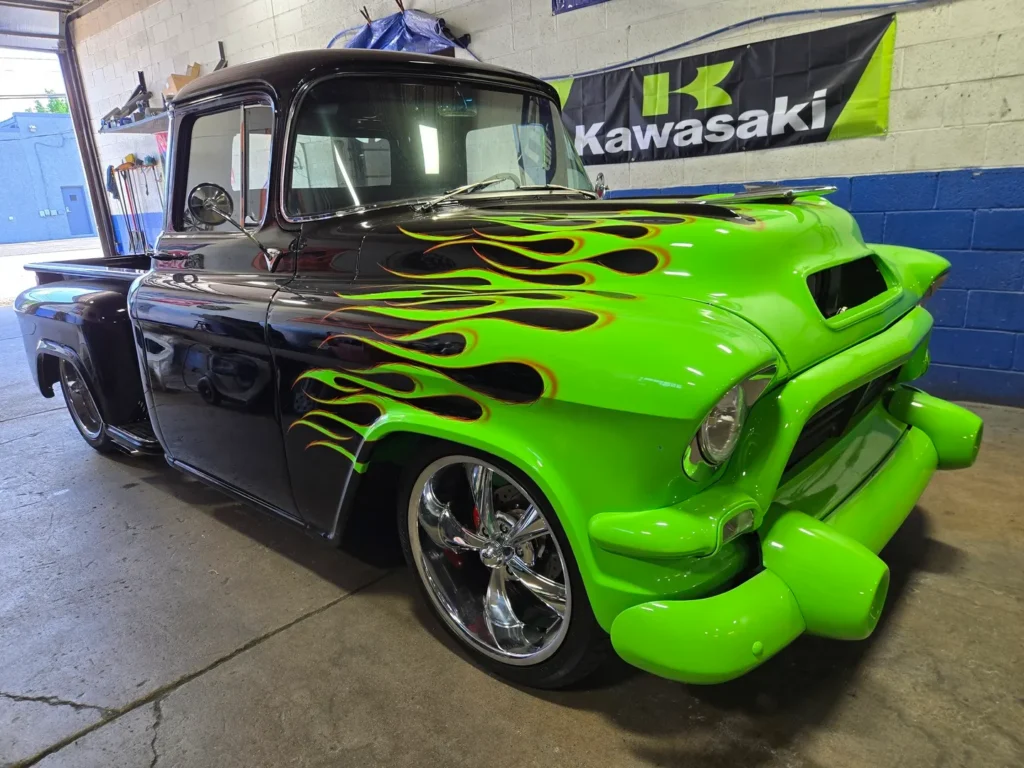
Bodywork and paint can be part of a larger restoration, where the metal, mechanical work, fitment, and final assembly all come together before the vehicle is finished.
On a resto-mod or turn-key project, the exterior should carry the same attitude and direction as everything happening underneath it.
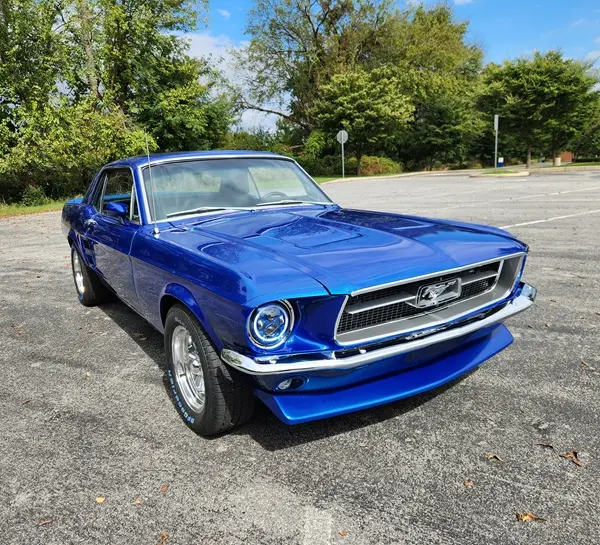
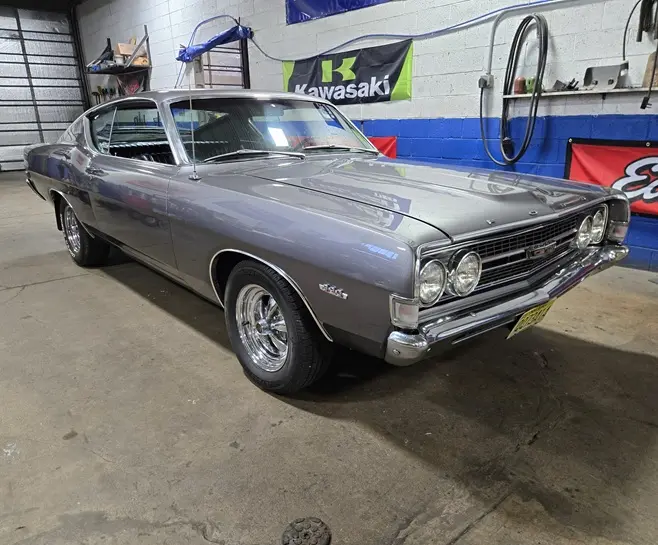
1968 Chevrolet Camaro
This 1968 Chevrolet Camaro underwent a complete resto-mod transformation, retaining its original exterior body while modernizing everything underneath. From performance and handling to comfort and drivability, this custom build combines iconic muscle car styling with modern technology and components. The result is a one-of-a-kind Camaro built to deliver classic looks, modern performance, and everyday driving enjoyment.
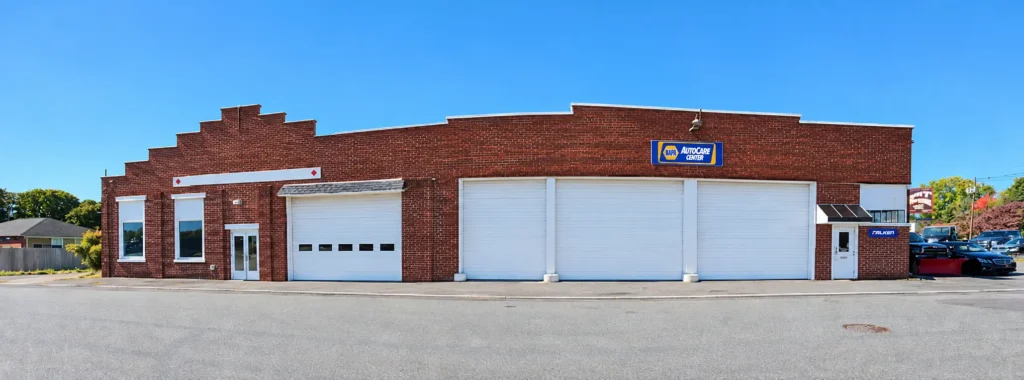
Summit Performance’s 20,000-sq.-ft. facility in Phillipsburg, NJ has the room to keep body and paint projects organized and protected through correction, preparation, finishing, and final assembly.
Tell Summit Performance what you’re starting with, what needs attention, and where you want the exterior to end up.
Yes. Previous repairs can often be corrected, but Summit Performance first needs to see what was actually done. Old filler, poor welds, hidden rust, uneven panels, or bad fitment may all affect how much work is needed to get the body back where it should be. Once the area is evaluated, the right correction can be determined.
There is no automatic answer. The amount and location of the damage, metal condition, previous repairs, panel availability, fitment, and labor involved all factor into the decision. If the original panel is solid and can be repaired properly, keeping it may make sense. If the damage or condition is too far gone, replacement may be the better direction.
Not always. It depends on the condition of the existing finish, what is underneath it, the amount of previous bodywork, and the scope of the project. Some areas may need to go back to bare metal while others may not. Summit Performance evaluates what is already on the vehicle before deciding how far the surface needs to come down.
Yes. Panel gaps and fitment should be addressed during the bodywork stage, not after the finish is already on the vehicle. Doors, hoods, trunks, fenders, and adjoining panels may need adjustment or correction so the gaps and body lines work together before paint locks everything in.
In many cases, yes. A color change can be part of a restoration or custom project, but changing the exterior color may affect more than the visible body panels. Door jambs, underhood areas, the trunk, and other surfaces may also need attention depending on how complete the color change is intended to be.
Because paint does not hide poor preparation, it usually makes it easier to see. Waves, sanding marks, uneven surfaces, bad gaps, and other imperfections can show through the final finish. The straighter and more consistent the body is before color goes on, the better the finished paint has a chance to look.