Summit Performance builds the stance around the truck, your wheel and tire plans, how you drive it, and where you want the ride height to land.
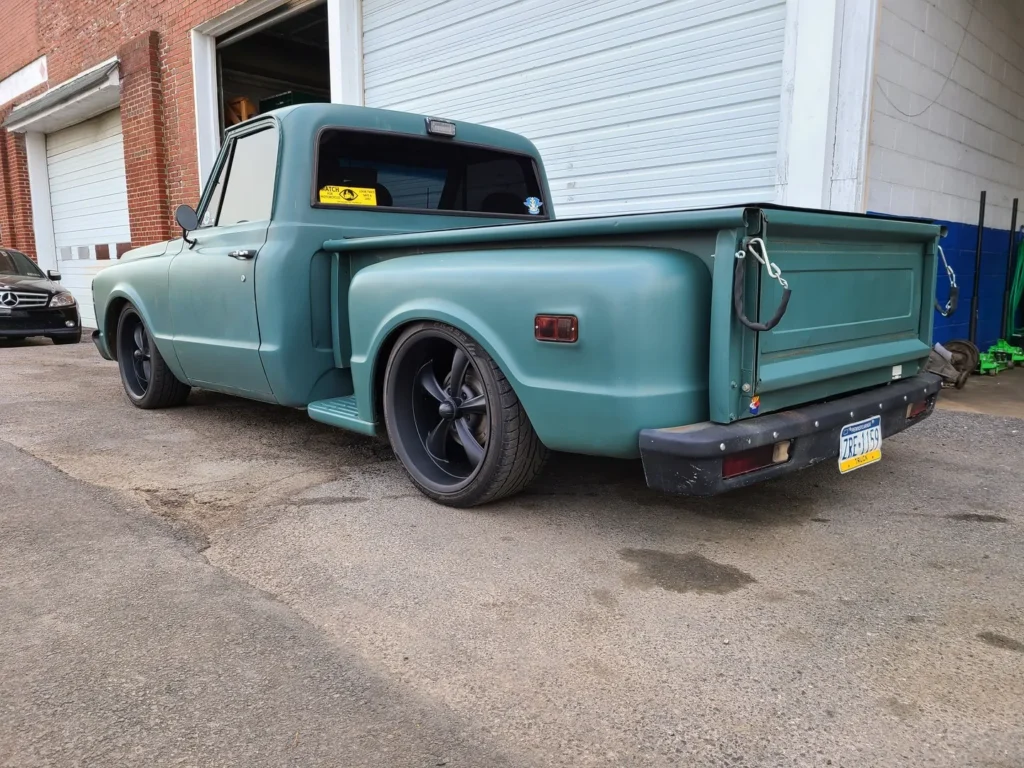
A good stance isn’t just how close the body sits to the pavement. Wheel and tire fitment, suspension travel, steering, clearance, and ride all have to live at that height too.
The truck should look intentional from every angle and feel just as composed from behind the wheel.
What are you driving? How low do you want it? What wheels and tires are you planning? Is it a daily driver, street truck, work truck, show truck, or something in between?
Those answers shape the drop before parts start going underneath it. How the truck gets used helps determine how far it should come down. The truck has to live at the height you put it.
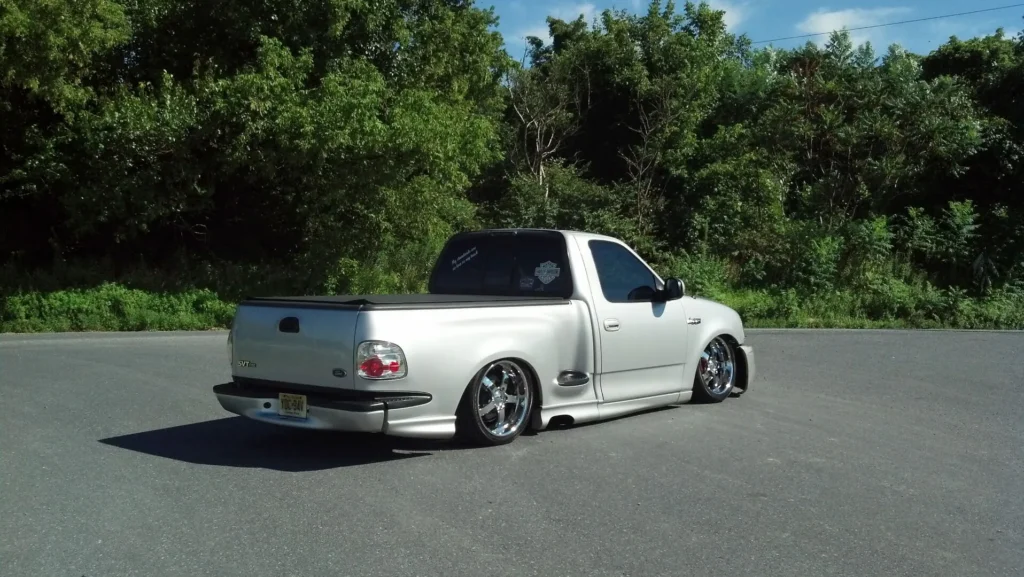
The question isn’t how far you can drop it. It’s how far the truck should come down for the stance, wheel and tire package, suspension travel, and clearance you’re after.
Lower isn’t automatically better. The right drop gets the truck where you want it without forcing everything else to fight for room, and still leaves enough clearance for the way you actually drive it.
Wheel diameter, width, offset, tire size, ride height, and available clearance all shape the finished stance.
The wheel and tire package has to fit when the truck is moving, turning, and traveling through the suspension, not just while it’s parked.
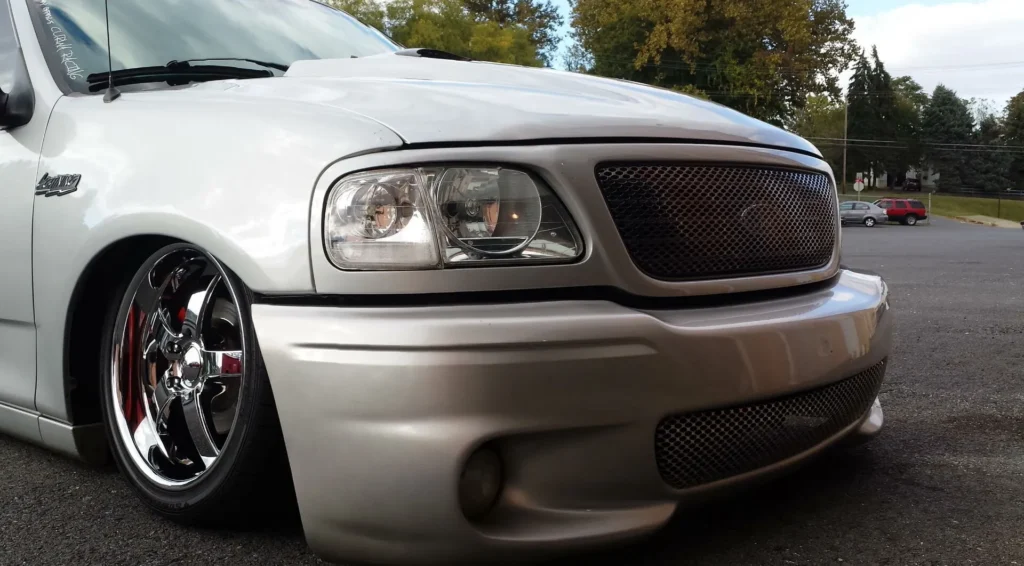
Depending on the lowering method, bringing the truck down can reduce available suspension travel. The amount of drop and the parts underneath determine how much usable movement remains.
Lowering puts the suspension in a different operating position. That new height affects geometry and how the components move through their range.
The tires need room to turn while the suspension moves. Wheel position, tire size, and surrounding clearance determine whether both can happen without interference.
Height, suspension components, tire choice, and intended use all shape how the truck feels afterward.
The goal isn’t just to get it up in the air. It’s to end up with a truck you still want to put miles on.
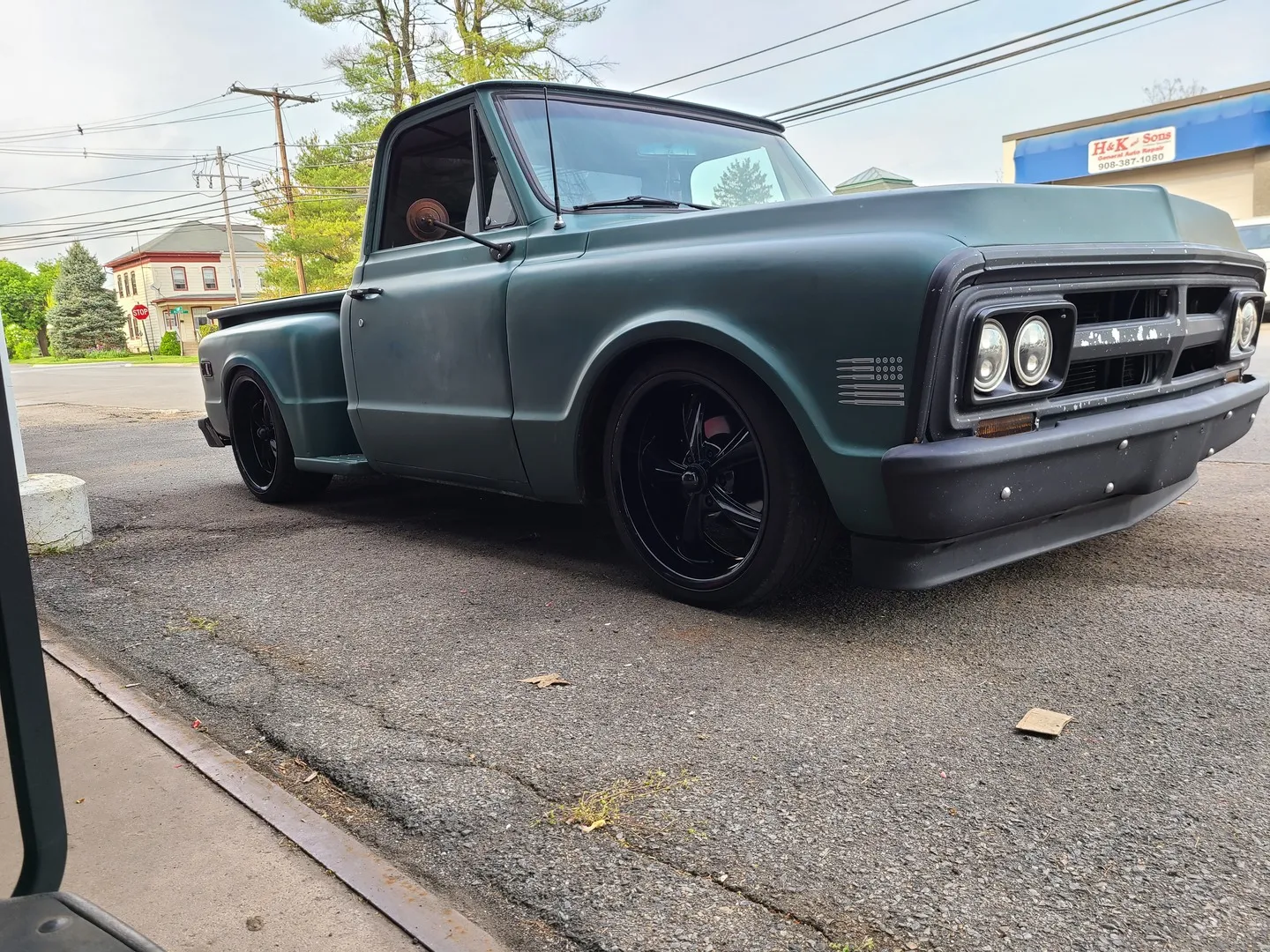
Previous lowering work, mixed components, worn suspension pieces, or an unknown installation history all affect where the project starts.
Uneven stance, rubbing, poor fitment, limited travel, or mismatched parts can make a truck look unfinished and drive the same way.
Summit Performance starts with the truck as it sits, evaluates what is already there, and determines what can stay, what should be corrected, and what is keeping the truck from sitting right.
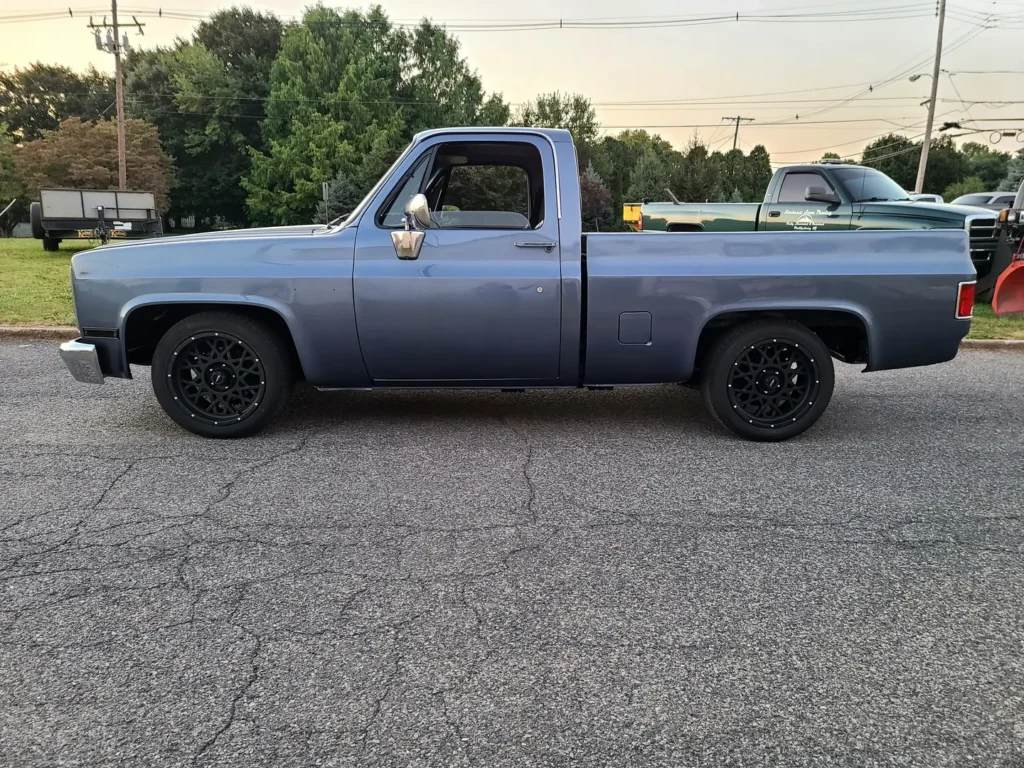
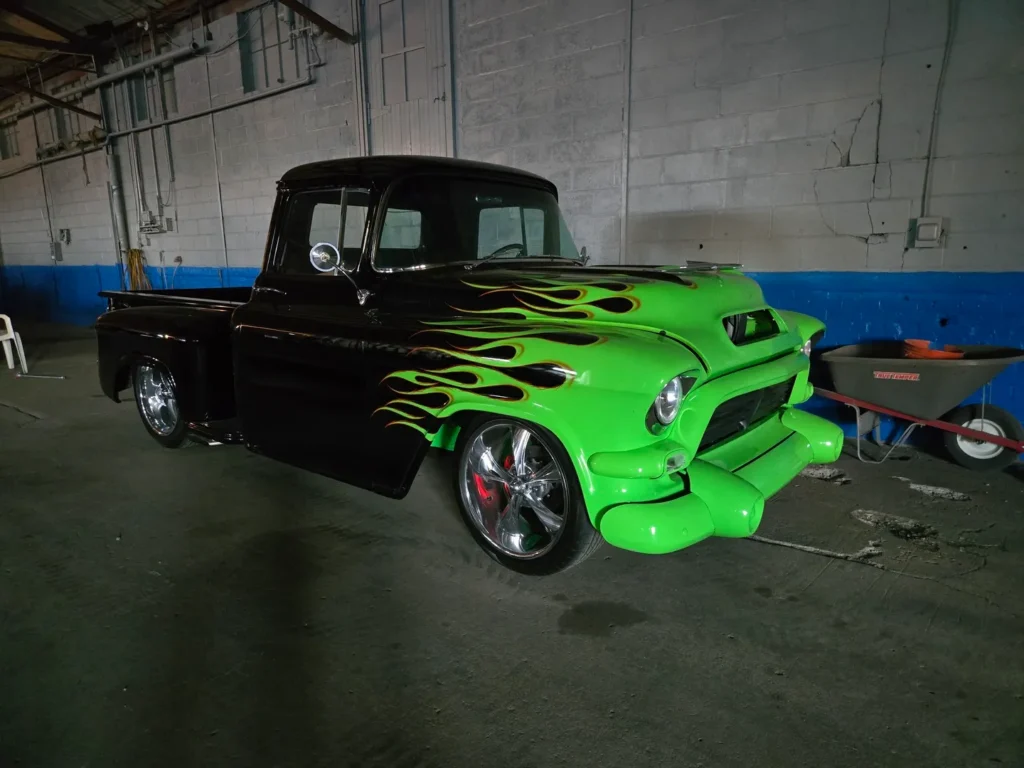
A lowered stance can be the starting point for a larger truck project. Mechanical, performance, appearance, or functional upgrades may follow from there.
Summit Performance builds those upgrades into the overall plan for the truck instead of treating every modification like a separate job.
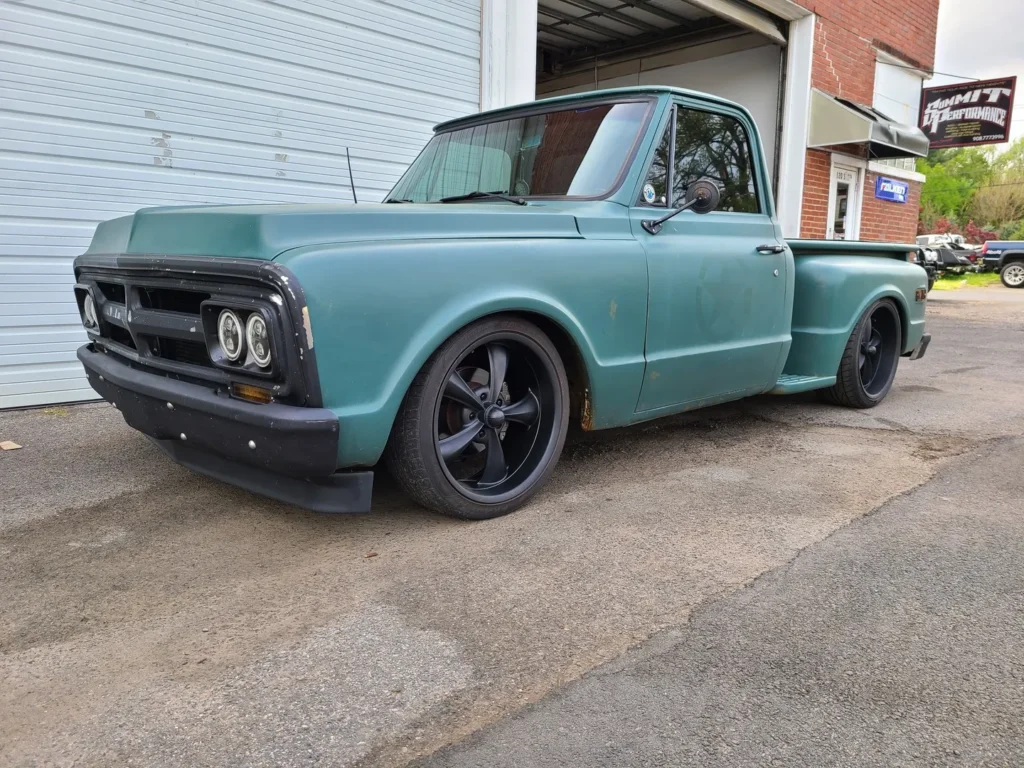
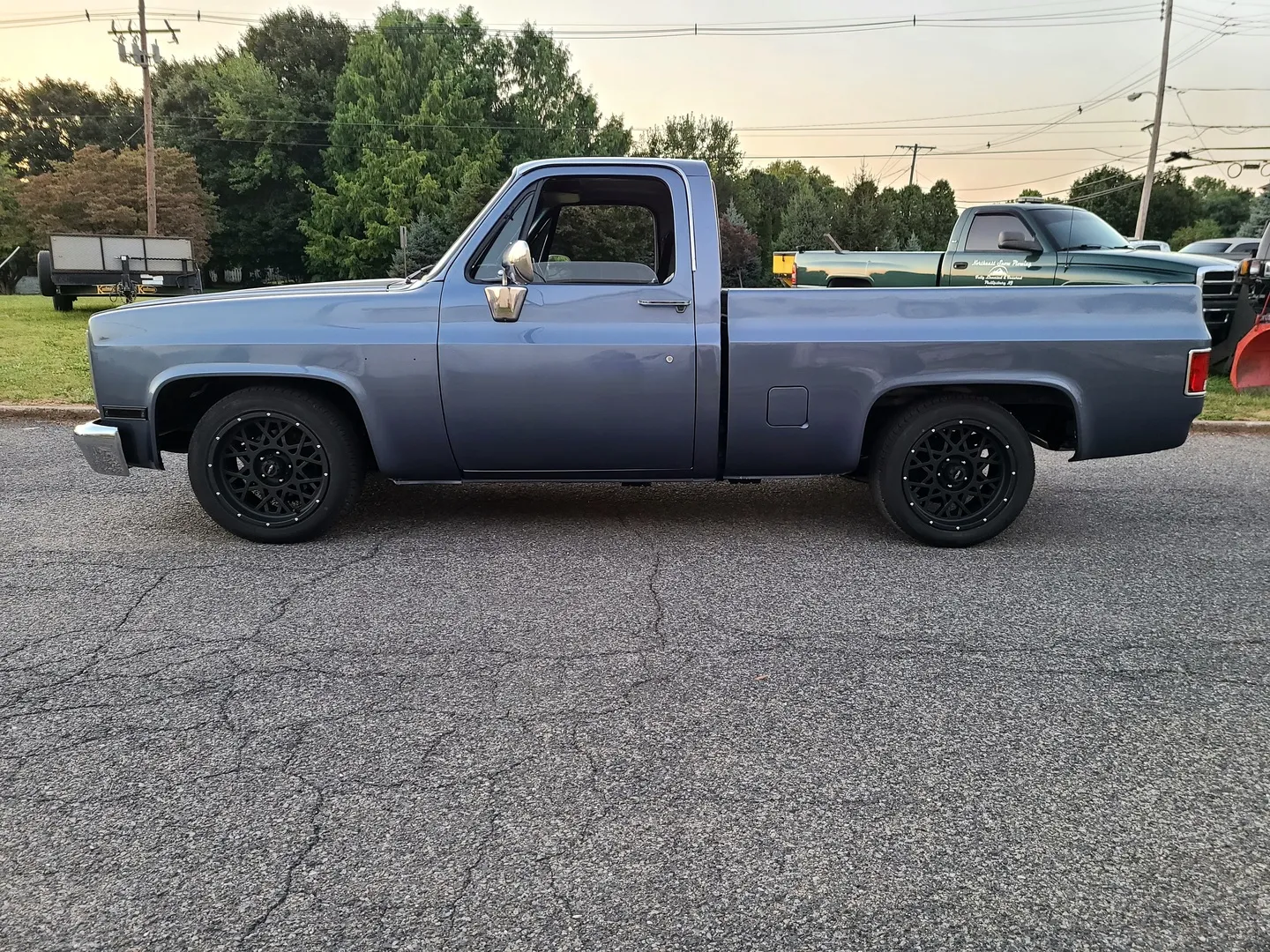
1985 Chevy C10
This 1985 Chevy C10 underwent a custom build, blending handcrafted details with a unique combination of components to create a one-of-a-kind truck. A lowering kit delivers a sleek, aggressive stance, while a custom interior adds distinctive styling and personalized craftsmanship. The result is a classic Chevy pickup with a bold custom look that stands out from the crowd.
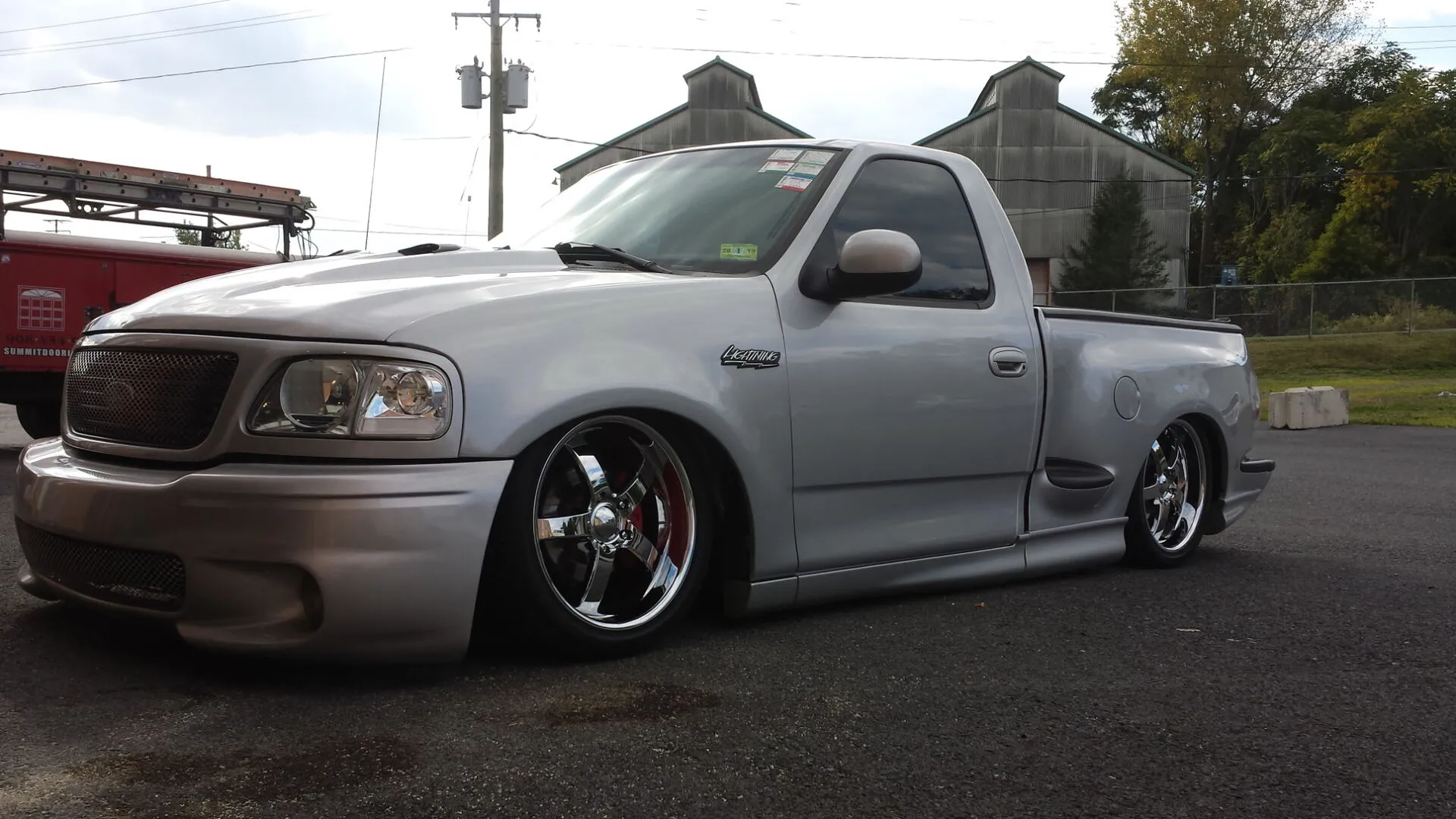
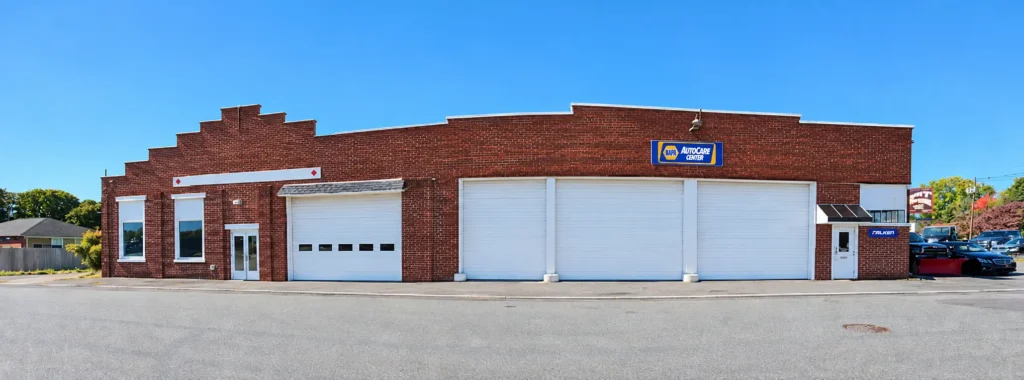
Summit Performance’s 20,000-sq.-ft. facility in Phillipsburg, NJ lets the team get underneath the truck, check clearances, and step back to judge the stance as a whole.
Tell Summit Performance what you’re driving, where you want the ride height to end up, what wheels and tires you have in mind, how you use the truck, and what is already underneath it.
There is no single drop that works for every truck. The right ride height depends on the vehicle, the stance you want, wheel and tire plans, available suspension travel, ground clearance, how the truck will be used, and what is already underneath it. Summit Performance starts with the finished direction before deciding how far the truck should come down.
It can. The amount of drop, suspension components, available travel, tire package, and how the truck is used all influence the ride. A mild drop and a more aggressive stance may feel very different, which is why ride quality belongs in the decision before the truck comes down.
Yes. Wheel diameter, width, offset, tire size, ride height, steering clearance, and suspension movement all affect fitment on a lowered truck. The wheel and tire package should be planned around the stance rather than treated as a separate decision afterward.
It can. Lowering changes the suspension’s operating position and may reduce the amount of travel available depending on the truck, the amount of drop, and the components being used. That available movement is part of determining how low the truck should sit.
It can. Reduced ride height may alter suspension geometry, steering behavior, tire clearance, and how the truck responds on the road. How much depends on the truck, lowering amount, components involved, and wheel and tire package.
Potentially. Summit Performance first evaluates the existing suspension, components, ride height, fitment, and overall condition. That shows what is already working, what may need to be corrected, and what direction makes sense for the truck next.
Rubbing or an uneven stance can come from the ride height, wheel and tire fitment, worn or mismatched suspension parts, previous installation, or other factors underneath the truck. The existing setup needs to be evaluated before the cause and next step can be determined.
Yes. Lowering can be one part of a broader project involving additional suspension, performance, mechanical, appearance, or functional upgrades. The stance can help set the direction for how those other pieces come together.