Summit Performance matches the lift to the truck, your tire goals, how you use it, and what follows once the truck goes higher.
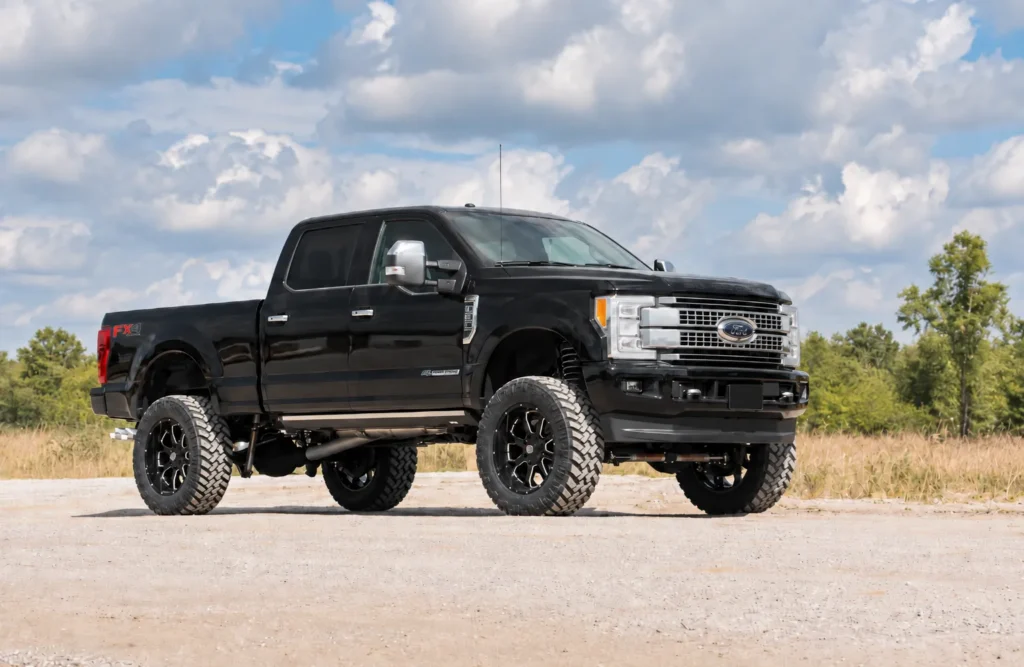
Raise the truck and the suspension sits differently. Steering, clearance, fitment, and ride follow that new height.
The kit sets the height. Everything around it still has a job to do.
What are you driving? How high do you want it? What tires are you trying to fit? Is it a daily driver, work truck, tow vehicle, trail truck, show truck, or something in between?
Those answers shape the lift before parts start going underneath it. How the truck gets used also helps determine how aggressive the lift should be and which parts of the suspension, steering, and fitment may need extra attention.
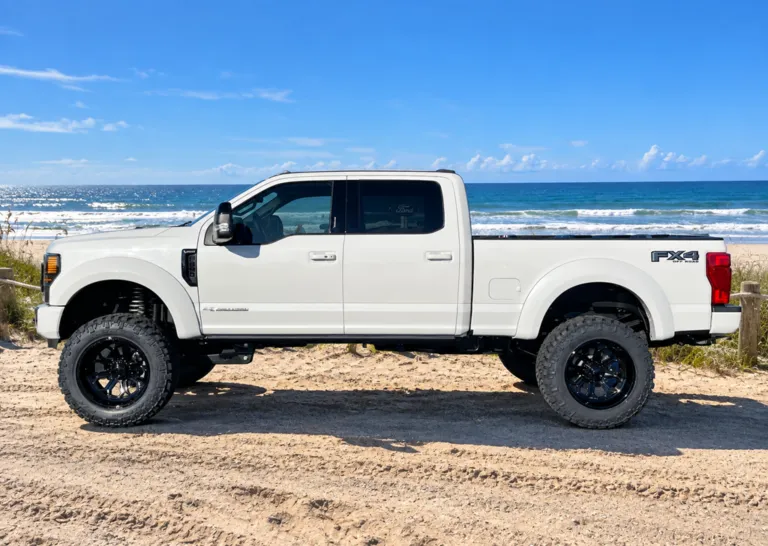
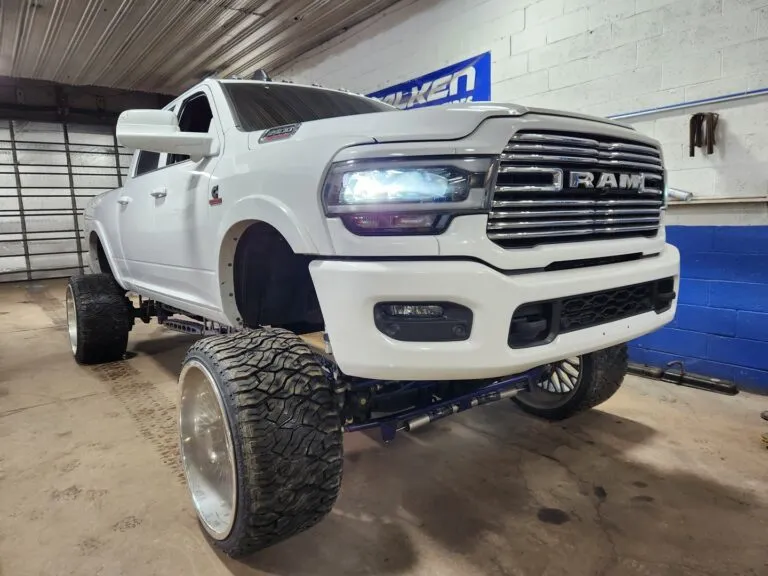
The question isn’t how high you can go. It’s how high the truck should go for the tires, clearance, and stance you’re after.
More height isn’t automatically better. The goal is enough lift to get the truck where you want it without adding height just because you can.
Lift height, tire diameter, wheel width, offset, steering angle, and suspension travel all compete for space.
The wheels and tires need to fit the truck at more than a standstill. Clearance still matters when the suspension moves and the steering turns.
A lift creates room, but it doesn’t guarantee the wheel and tire package will clear. Tire size, wheel position, suspension travel, and surrounding clearance ultimately decide whether everything fits without rubbing or interference.
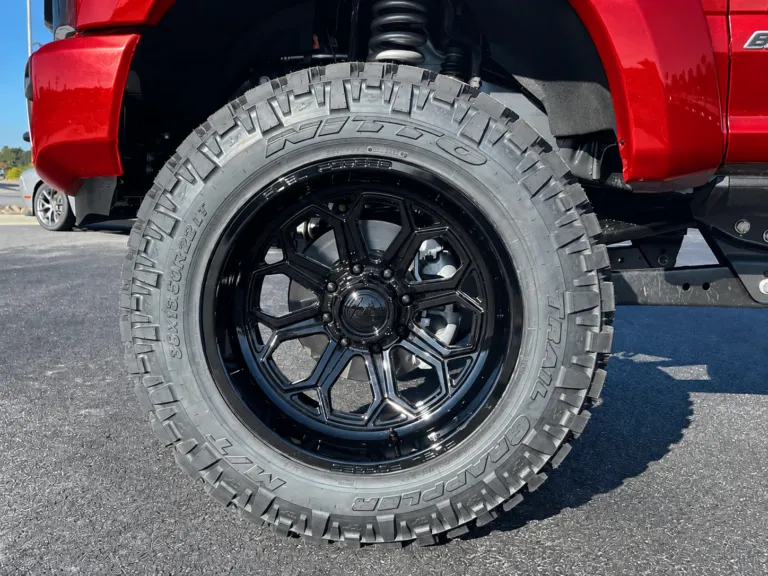
Raise the truck and the suspension starts from a different position. That new position affects geometry, travel, and how the components move through their range.
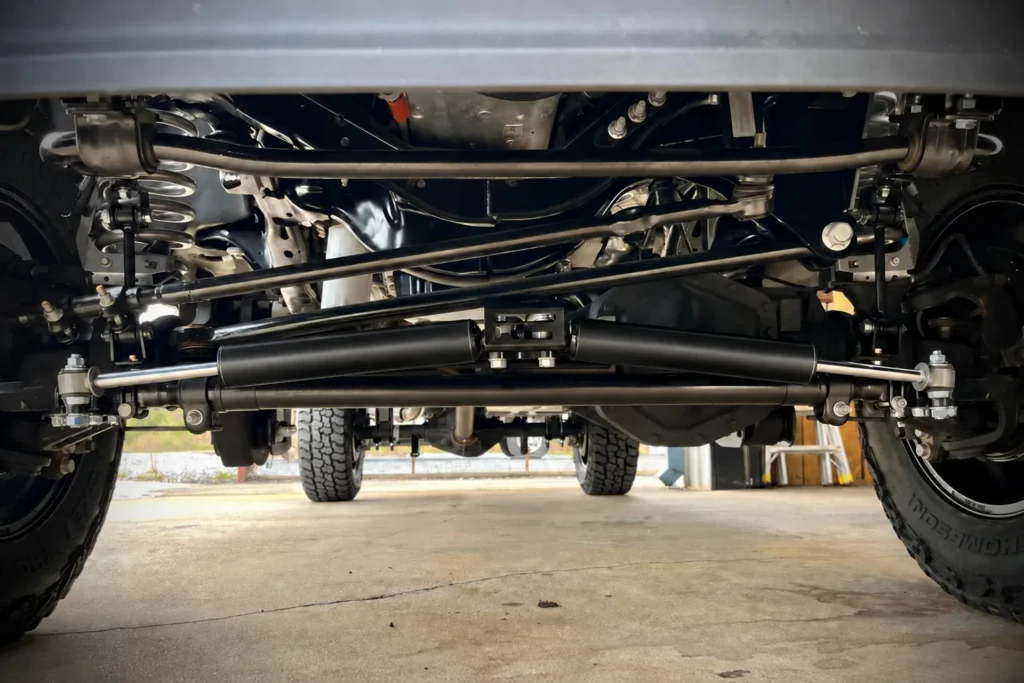
Added height doesn’t excuse vague steering or a truck that wanders. Tracking, steering response, and stability still matter once the truck is sitting higher.
Some lifts ask more from the truck than the kit alone can cover. Depending on the vehicle, lift height, tire package, drivetrain, and intended use, the suspension, steering, brakes, or driveline may need extra attention.
Height, suspension components, tire choice, and intended use all shape how the truck feels afterward.
The goal isn’t just to get it up in the air. It’s to end up with a truck you still want to put miles on.
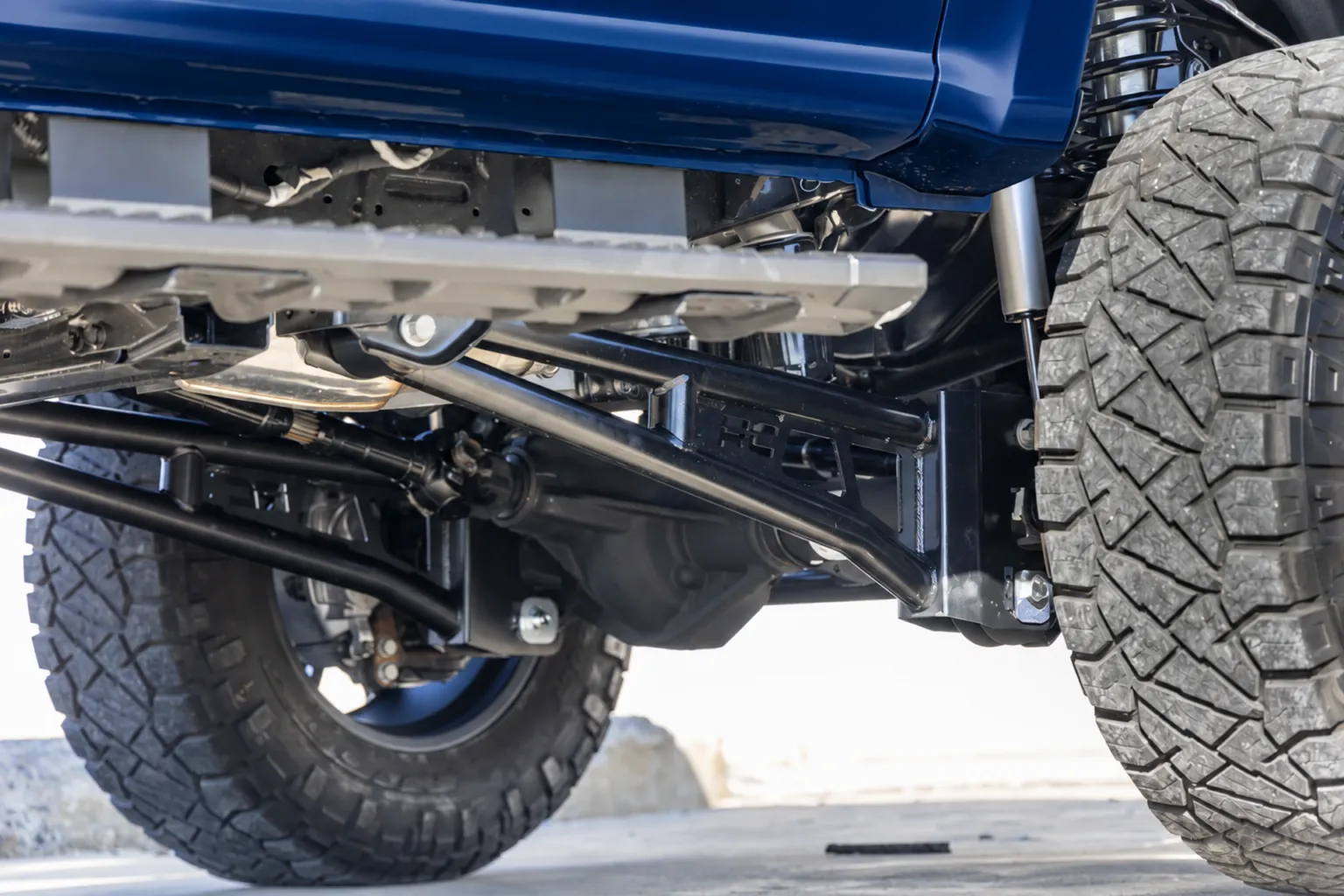
Previous kits, mixed parts, worn components, questionable hardware, or an unknown installation history all matter before anything else gets added.
Rubbing, uneven stance, poor fitment, mismatched components, or worn parts can also tell you plenty about what is already going on underneath.
Summit Performance starts with the truck as it sits, evaluates what is already there, and determines what can stay and what needs to be corrected before the next move is made.
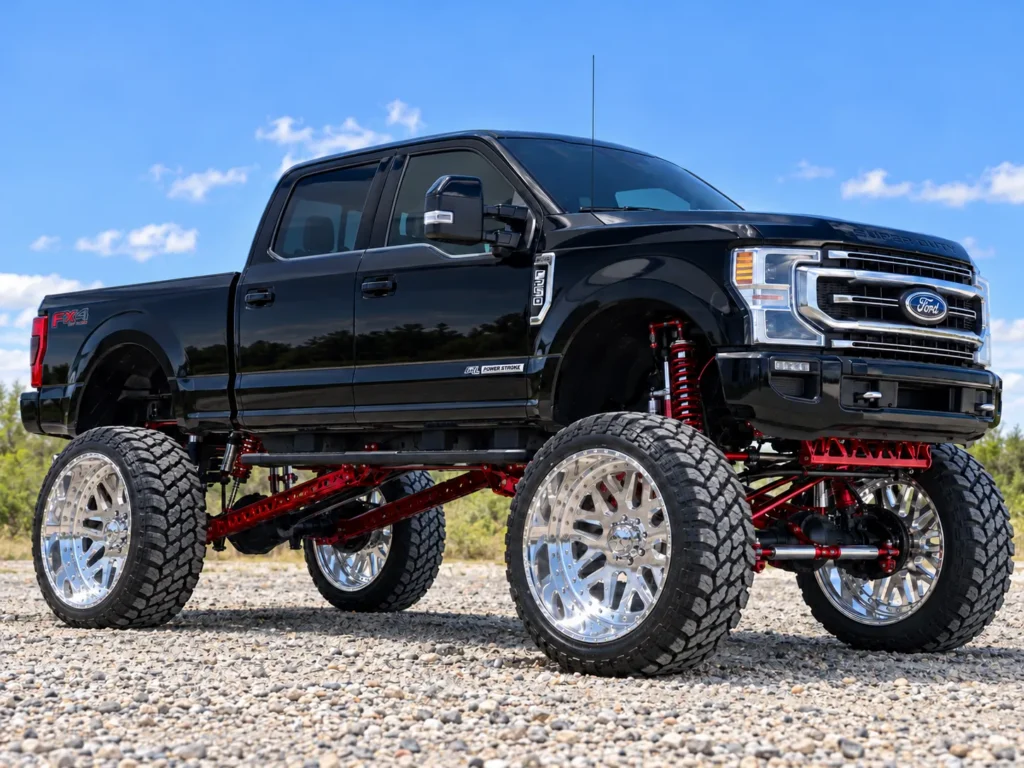
A suspension lift can be one part of a larger truck project involving additional mechanical, performance, appearance, or functional upgrades.
Summit Performance ties those pieces into the direction of the truck instead of treating every modification like a separate job.
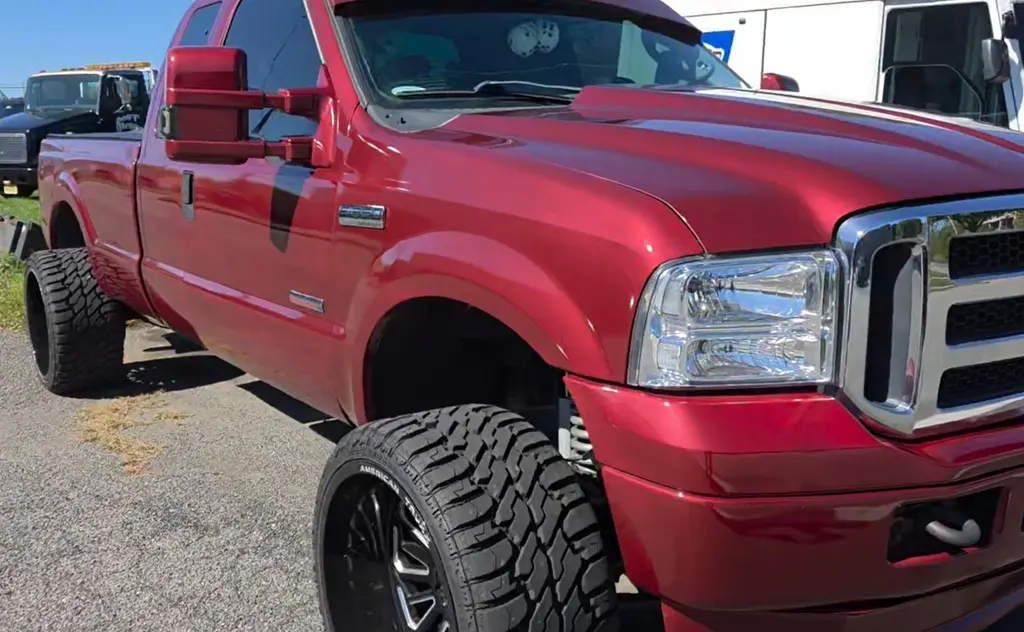
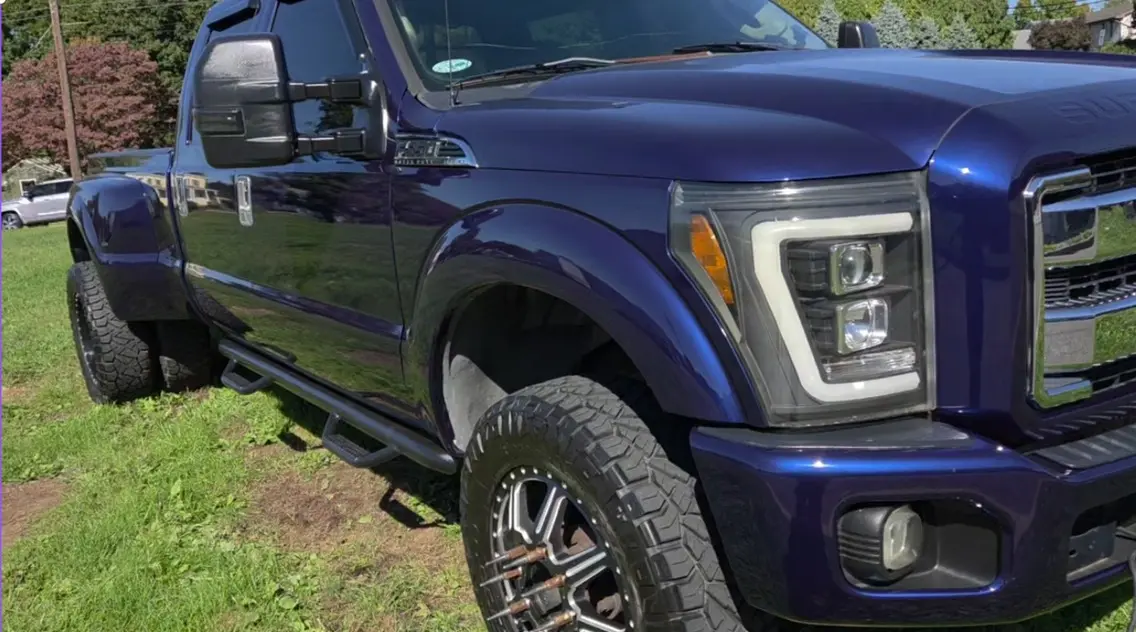
2006 Ford F-350 Super-Duty
This 2006 Ford F-350 Super Duty received a custom suspension upgrade featuring a 4.5-inch box lift kit and 34-inch tires. The setup gives this heavy-duty truck a more aggressive stance, increased ground clearance, and a bold, commanding presence while maintaining its Super Duty character.
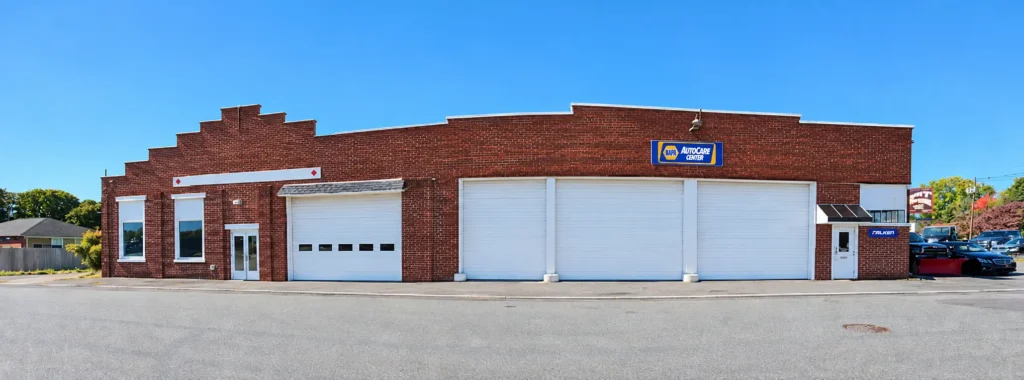
Summit Performance’s 20,000-sq.-ft. facility in Phillipsburg, NJ gives larger trucks the room to get up in the air while keeping multi-stage lift projects and their components organized through the job.
Tell Summit Performance what you’re driving, how high you want it, what tires you have in mind, how you use the truck, and what is already underneath it.
There is no single lift height that works for every truck. The amount depends on the vehicle, intended use, desired stance, wheel and tire plans, ride expectations, and what else is happening underneath it. Summit Performance starts with where you want the truck to end up before deciding how much lift makes sense.
It can. Raising the truck alters the suspension position and may affect steering, handling, ride quality, tracking, and other parts of the driving experience. How noticeable those differences are depends on the truck, lift height, tire package, and components involved.
A lift may create additional room for larger tires, but lift height alone does not determine what fits. Tire diameter, width, wheel offset, steering clearance, suspension travel, and the truck itself all factor into the final fitment.
Sometimes. The truck, suspension design, lift height, and kit determine whether additional components become part of the project. A mild lift and a more aggressive lift may ask very different things from the suspension around them.
Potentially. Summit Performance first evaluates what is already installed, how the components fit together, their condition, and where you want to take the truck next. That gives the project a clear starting point before anything else is added.
The existing suspension and fitment need to be evaluated before the next move is made. Tire clearance, wheel position, suspension components, worn parts, previous installation, and other factors may all contribute to what the truck is doing now.
It can. Lift height, suspension components, tire size, tire construction, and how the truck is used all influence the ride. That is why ride quality belongs in the conversation before the lift is treated as nothing more than a height decision.
Yes. A lift can be one part of a broader project involving additional suspension, performance, mechanical, appearance, or functional upgrades. The direction of the truck determines how those pieces should come together.