When the vehicle needs to go deeper, Summit Performance takes it back to its foundation and works through the frame, structure, systems, body, and final assembly as one restoration.
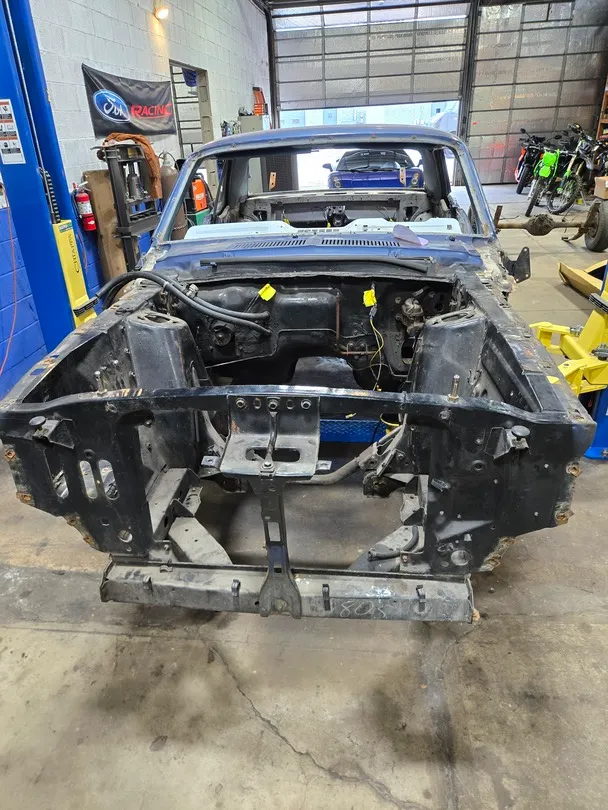
Taking a vehicle this deep only makes sense when the condition and scope call for it.
A frame-off restoration opens access to the structure, underside, mounting points, chassis, and systems that are difficult or impossible to fully evaluate or restore with the vehicle still assembled.
Bare frame isn’t always the answer. The vehicle’s construction, condition, previous repairs, rust, systems involved, and end goal determine how far the teardown goes.
Some vehicles use traditional body-on-frame construction. Others require a different approach to complete disassembly and structural restoration.
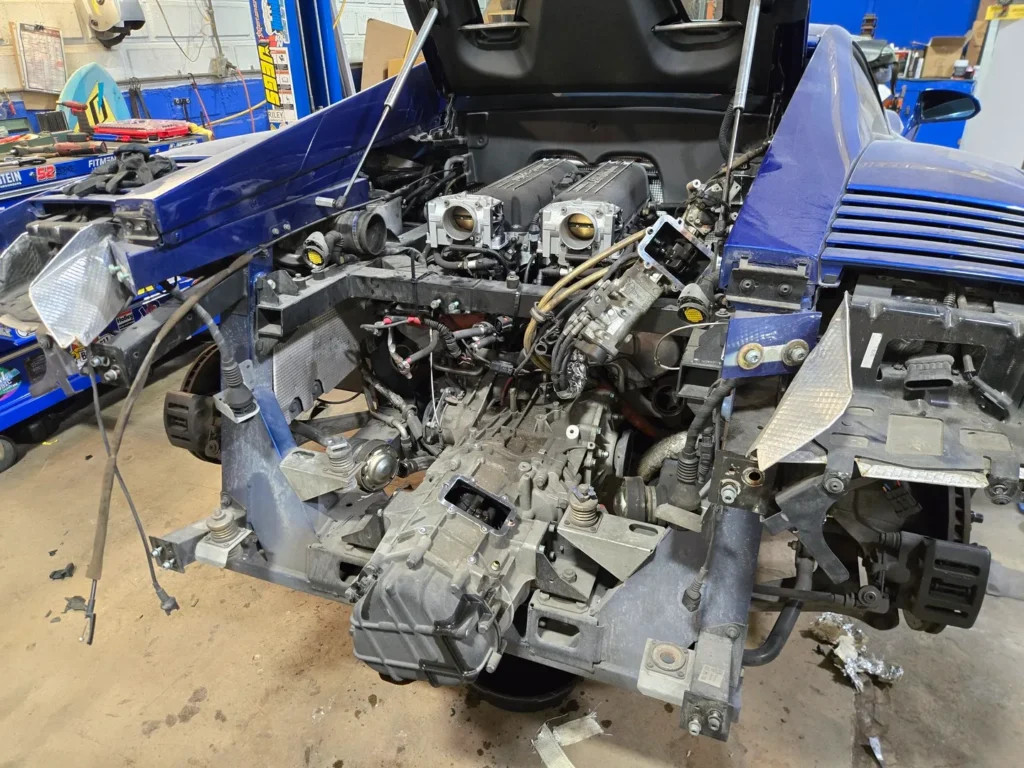
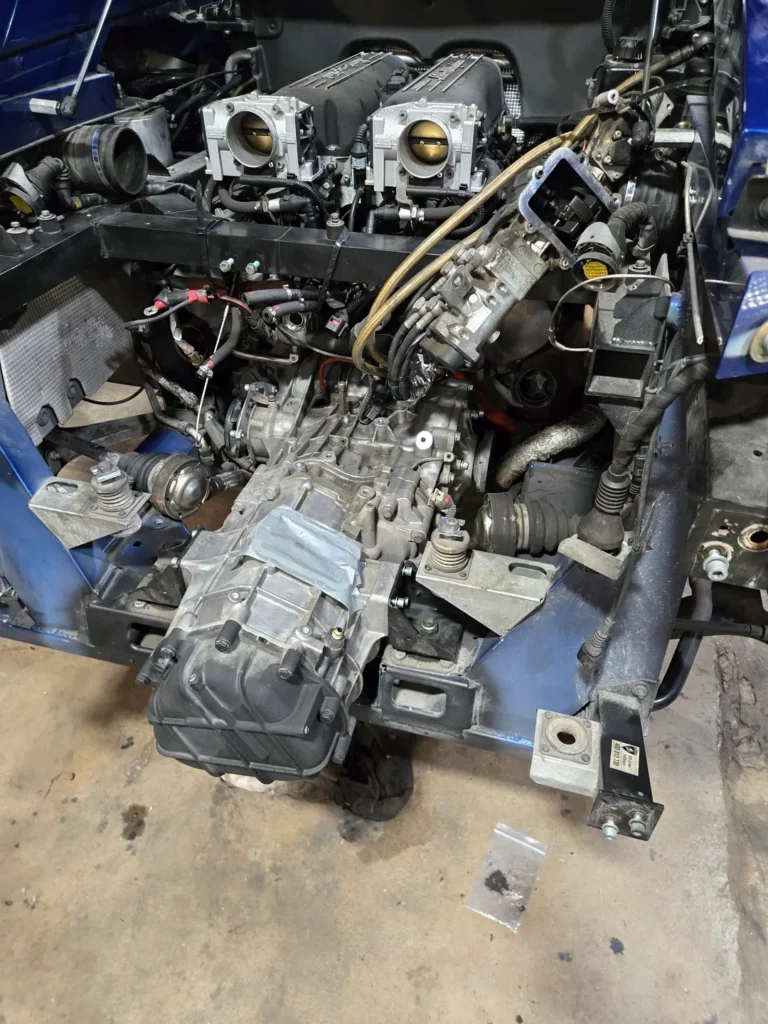
Once the vehicle comes apart, there’s no more guessing what’s underneath.
Old repairs, hidden rust, damaged components, missing parts, and compromised mounting points can change the direction fast. Teardown gives Summit Performance a clearer picture of what comes next.
For body-on-frame vehicles, separating the body changes the whole picture. With the foundation exposed, Summit Performance can see what stays, what gets corrected, and what gets rebuilt before reassembly begins.
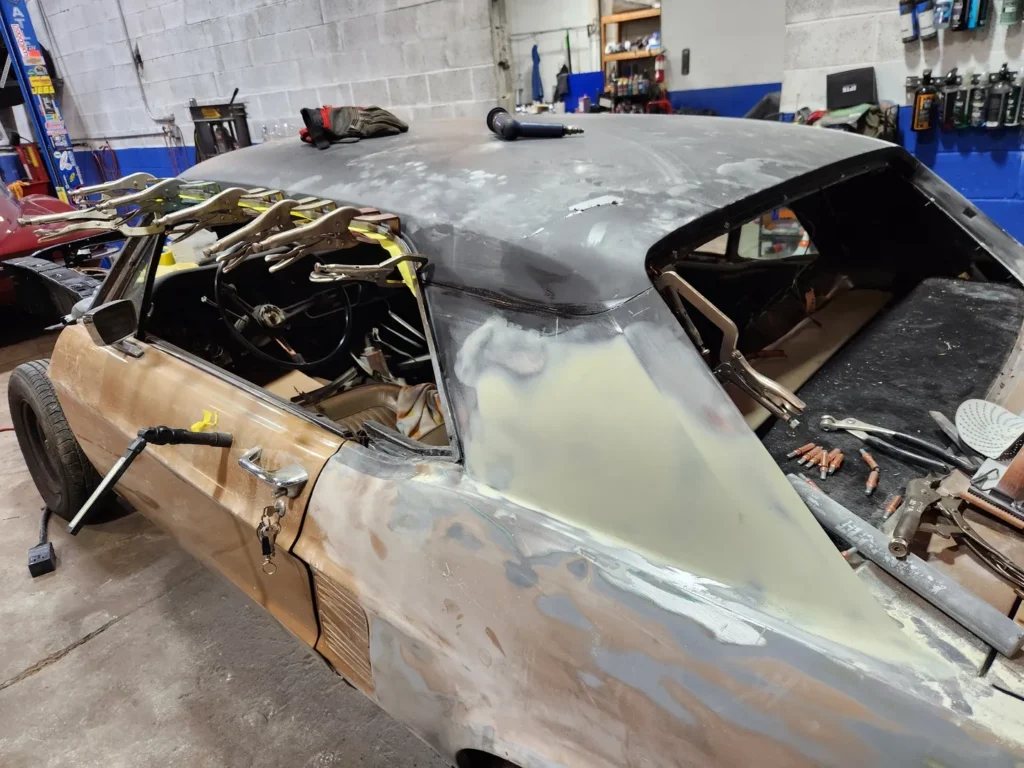
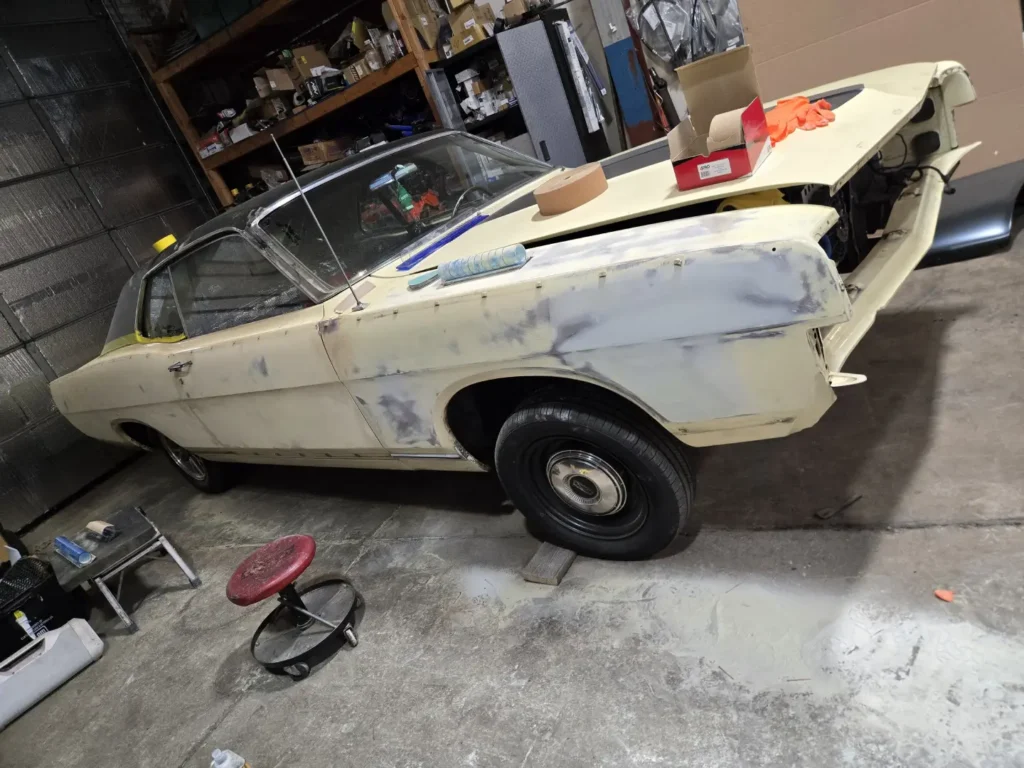
Corrosion, old repairs, damaged mounting areas, and structural problems can affect everything that comes later. The frame and supporting structure are evaluated on their own before reassembly begins.
Rust and compromised metal do not get better if they’re covered back up. The condition determines whether an area gets repaired, corrected, or replaced.
Suspension and steering affect how the vehicle sits, tracks, and responds when it hits the road. When the project goes this deep, their condition becomes part of the restoration.
Brake components, lines, hardware, and related systems are evaluated as part of the chassis work and restored as needed.
Mounts, brackets, hardware, and attachment points are inspected for condition and fit before reassembly, then repaired or replaced as needed. No part is too small to matter.
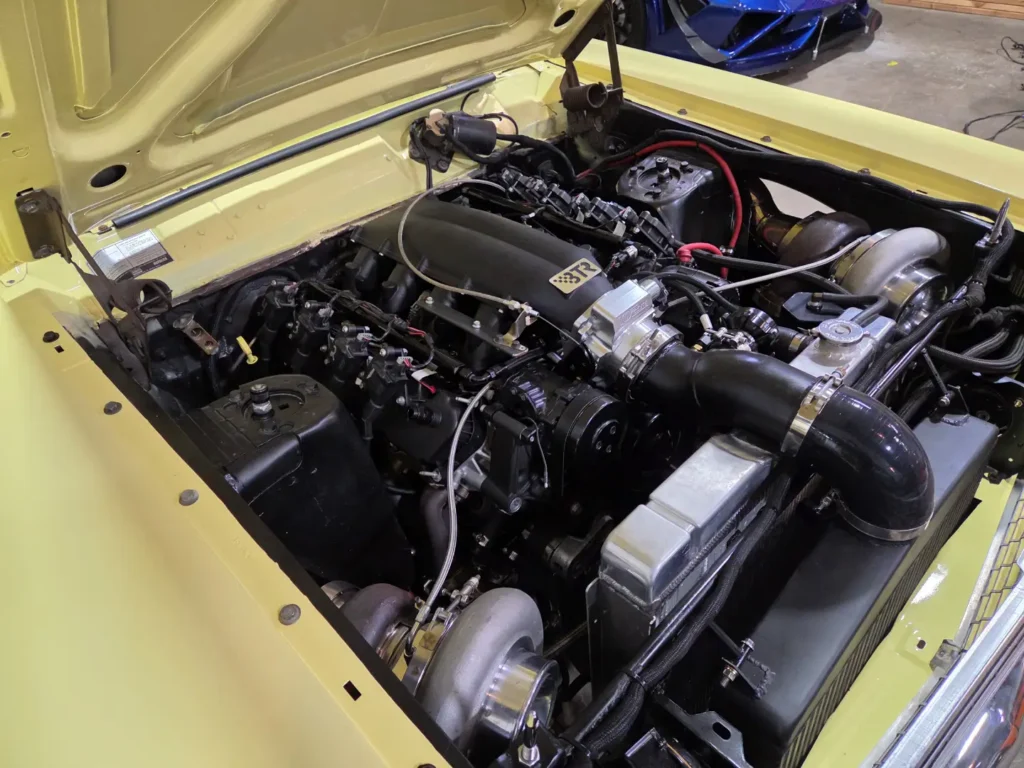
Depending on the vehicle and scope, the engine, drivetrain, cooling, fuel, exhaust, and other mechanical systems may come into play.
The deeper the teardown, the more important it becomes to look at the vehicle as a complete system instead of a collection of separate repairs.
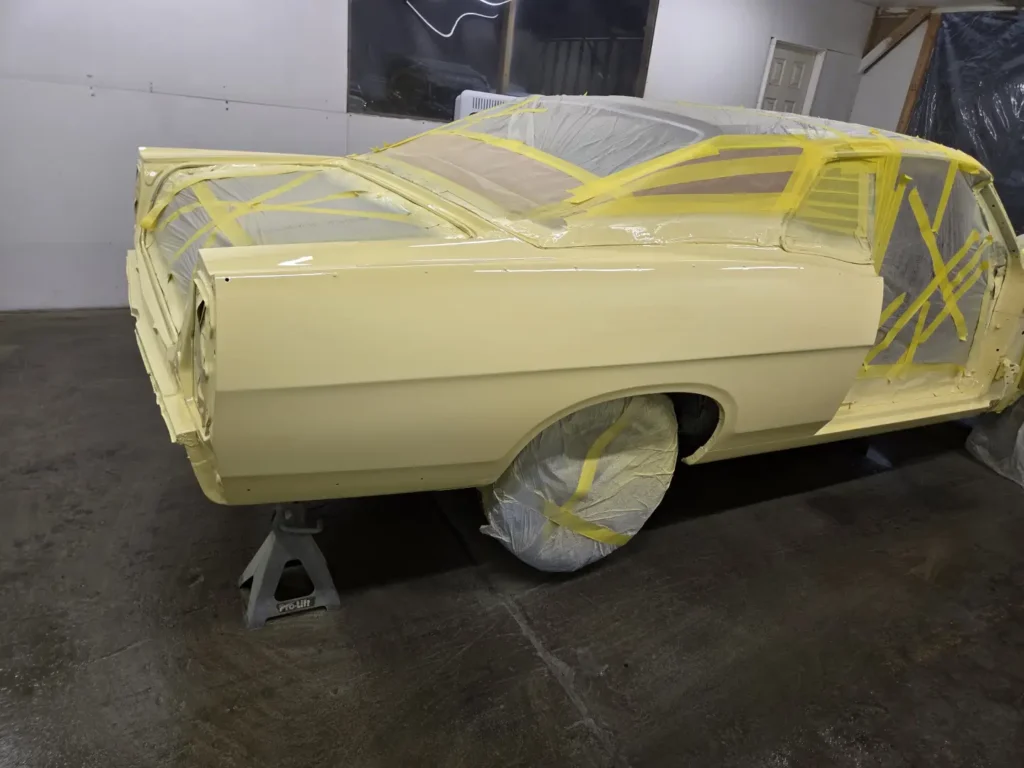
Get the structure and metal right first. Then the body can move into panel correction, fitment, preparation, and paint.

Powertrain, wiring, controls, and supporting systems are brought back in the right order so one stage doesn’t create problems for the next.

Body installation, trim, interior components, glass, weatherstripping, and other details begin turning the restored pieces back into a complete vehicle.

Gaps, alignment, hardware, connections, and final adjustments are what take the vehicle from assembled to finished.
Teardown. Evaluate. Correct. Reassemble. Each stage tells Summit Performance what comes next. Nothing gets skipped, buried, or pushed ahead before the work leading into it is ready.
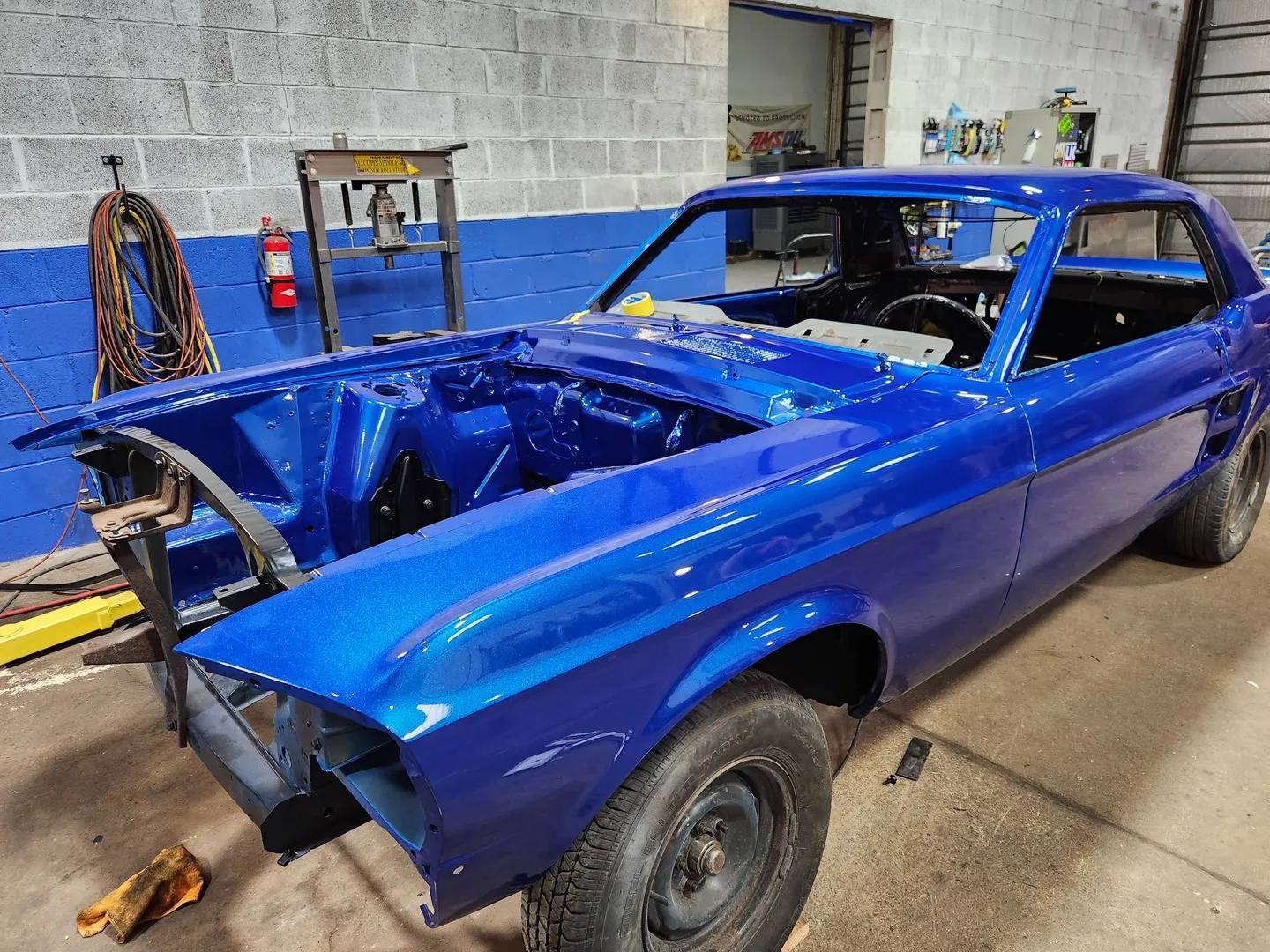
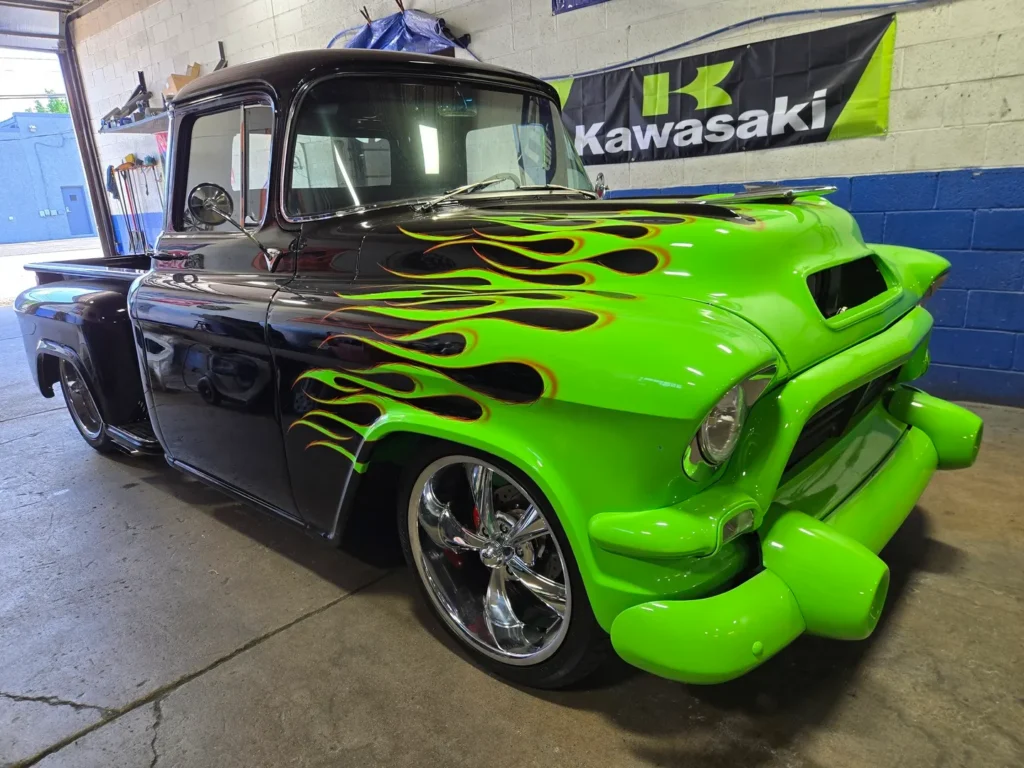
Some projects are aimed at bringing the vehicle back toward its original character, appearance, and driving experience.
Others use the same deep restoration process as the starting point for modern performance, braking, handling, comfort, or drivetrain upgrades.
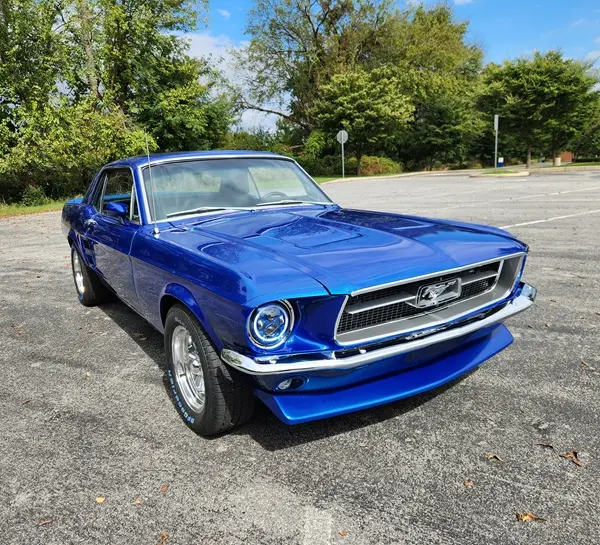
1968 Ford Mustang
This 1968 Ford Mustang underwent a complete restoration and modernization, blending iconic muscle car styling with modern performance upgrades. The original suspension was replaced with a modern setup to improve handling, ride quality, and overall drivability, while extensive restoration work and a fresh paint finish brought the exterior back to life. The result is a beautifully restored Mustang with classic character and a modernized driving experience.
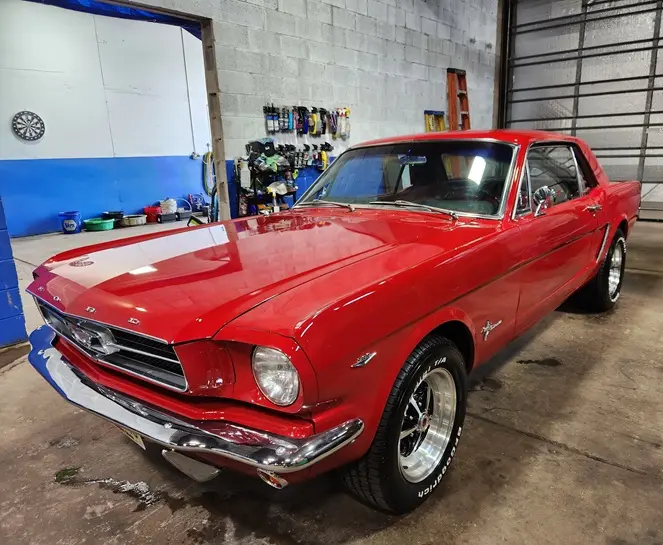
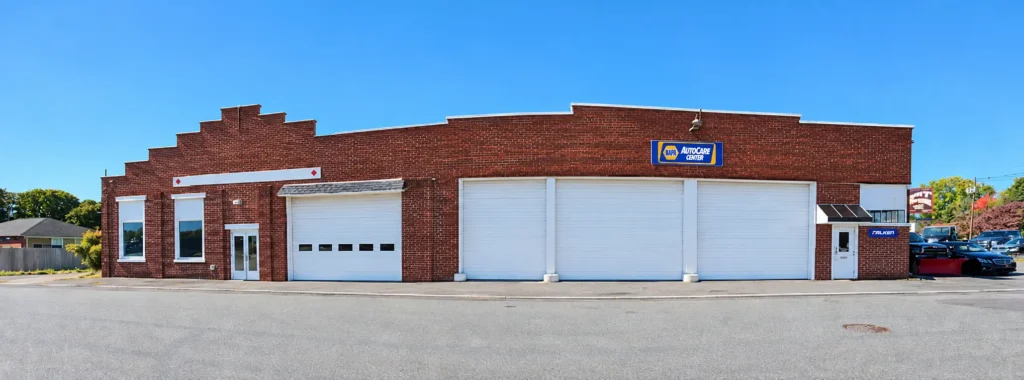


Summit Performance’s 20,000-sq.-ft. facility in Phillipsburg, NJ keeps long-term restorations and disassembled components organized, protected, and moving from teardown through final assembly.
Tell Summit Performance what you’re starting with, what you know about the vehicle, and how far you want to take the restoration.
No. A frame-off restoration is only one level of restoration. Some vehicles can be brought back properly with targeted repairs, partial restoration, or major work completed while the body remains on the chassis. How far the restoration should go depends on the vehicle’s construction, condition, previous repairs, and what the owner wants the finished result to be.
No. A traditional frame-off restoration applies to vehicles built with a separate body and frame. Unibody vehicles are constructed differently and cannot simply have the body lifted from a full frame in the same way. Those vehicles can still undergo extensive teardown and structural restoration, but the process is different.
The decision starts with the vehicle’s condition and how many major areas require work. Widespread rust, structural concerns, extensive previous repairs, multiple mechanical systems, underside condition, and the owner’s restoration goals can all push a project beyond selective repair. The vehicle needs to be evaluated before the right restoration depth can be determined.
Once the body is separated from the frame, Summit Performance can evaluate areas that were previously difficult to access, including the frame, mounting points, underside, structural metal, chassis components, and related systems. From there, the condition of each area helps determine what gets repaired, restored, replaced, or addressed before reassembly begins.
Additional rust or damage can change the scope of the restoration. Summit Performance evaluates what was uncovered, how it affects the surrounding structure or systems, and what it will take to correct it. The client is then brought into the conversation before significant additional work moves forward so the scope, budget, and timeline can be adjusted accordingly.
Yes. A frame-off restoration can also become the foundation for a resto-mod or custom build. Modern drivetrain, braking, suspension, steering, electrical, comfort, or other upgrades can be incorporated depending on the vehicle and the direction of the project. When modernization becomes a major part of the plan, the project begins moving into resto-mod territory.
There is no single timeline for a frame-off restoration. The starting condition, amount of rust or structural work, mechanical scope, body and paint requirements, parts availability, previous repairs, and overall restoration depth all affect how long the project takes. A realistic timeline can only be developed once the vehicle and scope are understood.