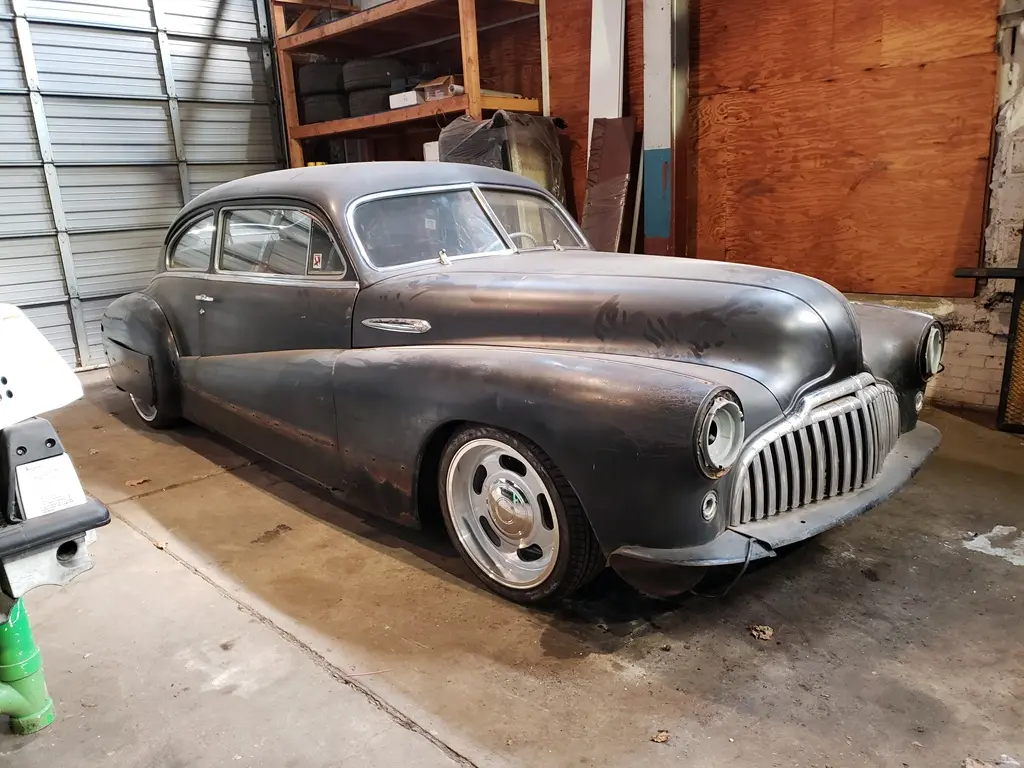
There’s a vehicle in your garage that you can still picture finished. Maybe it’s a classic Mustang, an old-school muscle car, or a truck you had big plans for. The engine might be sitting on a stand, the interior is in boxes, and the restoration you thought would take a year has been sitting unfinished for five.
You haven’t forgotten about it. You still want to see it finished. You’re just not sure how to get there anymore.
Maybe you ran out of time. Maybe the project turned into more than you expected. Or maybe someone else started the work, and now you’re left with a vehicle that’s only halfway to where it should be.
An unfinished restoration doesn’t necessarily mean the project is over.
At Summit Performance in Phillipsburg, NJ, complete vehicle restorations, resto-mods, and custom builds are a major part of what we do. That includes considering projects that have already been started, partially disassembled, or left unfinished.
But taking over an unfinished restoration isn’t always as simple as picking up where someone else left off. Before we can determine what it will take to finish the vehicle, we need to understand what’s there, what’s missing, and whether the previous work is going to support the finished build.
And sometimes, the smallest details create the biggest challenges.
Before You Turn Another Wrench
When a restoration stalls, it’s tempting to focus on everything left on the original to-do list. Install the engine. Finish the wiring. Reassemble the interior. Get the bodywork done. Finally, put the car back on the road.
But that list may no longer tell the whole story.
A vehicle that’s been sitting for years needs to be considered in its present condition. Some components may have deteriorated during storage. Parts may be missing, damaged, or no longer appropriate for the build. And work that appeared finished when the project stopped may never have been fully inspected or tested.
There’s also the question of whether the original restoration plan still makes sense.
Maybe you started with a factory-correct restoration in mind, but now you’d rather have a classic that’s comfortable and reliable enough to drive regularly. Or perhaps you want to go further with a modern engine, upgraded suspension, and a completely different driving experience.
Before continuing, it’s worth understanding what the vehicle needs today, not just what you planned to do years ago.
The Big Parts Get Saved. It’s the Little Ones That Go Missing.
Here’s something Kevin, owner of Summit Performance, pays particular attention to when considering an unfinished restoration: What’s missing?
When someone takes a car apart, they usually make sure to keep the major components. The engine, transmission, body panels, seats, and other large pieces are relatively easy to identify and set aside.
It’s everything else that can become a problem.
The little screws and clips. The electrical connectors. The knobs, switches, brackets, and fasteners that seemed insignificant when the vehicle was coming apart.
Those are the components that don’t always get labeled, bagged, or organized. Years later, when it’s time to put everything back together, they may be nowhere to be found.
According to Kevin, tracking down these missing pieces can become one of the biggest delays in completing a restoration. Something as small as a missing connector or piece of hardware may require searching for an appropriate replacement and waiting for it to arrive.
And with older or less common vehicles, finding the right part isn’t always straightforward.
You can have all the big pieces of a restoration sitting in the garage and still be missing what you need to finish it.
The Work That’s Already Been Done Has to Be Right, Too
Missing parts are one challenge. Previous workmanship is another.
Let’s say the engine is installed, the bodywork looks finished, and most of the suspension is assembled. From the outside, it might seem like you’re only a few weekends away from firing it up.
But has the engine actually been run and checked? Was the wiring completed correctly? Are the brake components properly installed? Were the modifications designed to work together?
An installed component isn’t necessarily a completed or verified system.
Consider an engine swap that’s already sitting in the engine bay. The engine mounts may be finished, but that doesn’t tell you whether the cooling system is properly configured, the fuel system is compatible, the wiring and controls are fully integrated, or the drivetrain has been checked.
When Summit Performance considers taking over a restoration, Kevin also looks at the work that’s already been performed and whether it will interfere with the quality and outcome of the finished vehicle.
That’s an important distinction.
The objective isn’t simply to finish someone else’s checklist. It’s to deliver a completed vehicle that meets Summit Performance’s workmanship expectations.
Previous work may be perfectly suitable to build upon. Other work may need further inspection, completion, or correction before the project can move forward.
That doesn’t automatically mean the previous owner or shop did something wrong. But Summit Performance still needs to understand what was done and whether it supports the intended result.
After all, the work that’s already been completed becomes part of the finished vehicle. It matters just as much as the work that’s still ahead.
Maybe the Car You Started Building Isn’t the Car You Want Anymore
Here’s where an unfinished restoration can become an opportunity rather than just a problem.
Think about what originally got you excited about the project. Was it restoring the car to factory condition? Building a show car? Creating a powerful street machine? Or simply bringing a classic back to life?
Now think about how you’d use it today.
Maybe you still want that exact same build. Great. But perhaps you’ve realized that modern brakes, power steering, air conditioning, and better handling would make the vehicle far more enjoyable.
Or maybe the opposite is true. You started planning an elaborate custom build, but these days you’d rather finish a well-built, dependable cruiser and actually enjoy driving it.
Changing direction doesn’t automatically make a project cheaper or easier. Some modifications affect other components, and work that’s already been completed may need to be reconsidered.
But you shouldn’t feel obligated to finish a vehicle exactly as you imagined it years ago simply because that’s where the project started.
At Summit Performance, restoration and customization aren’t necessarily two separate conversations. A classic can retain its original character while incorporating carefully selected modern improvements. Other projects call for a much more extensive transformation.
What matters is understanding the vehicle, the owner’s goals, and how the different components need to work together.
A Fresh Plan Can Be More Valuable Than Another Box of Parts
Anyone who’s spent time around restoration projects knows how easy it is to keep buying parts.
You find a component you’ve been searching for, spot a suspension upgrade that looks interesting, or decide it’s finally time to order that new wiring harness. Every purchase feels like progress.
But when a vehicle has been sitting unfinished for years, another box of parts might not be the answer.
Maybe you’ve already purchased components that don’t work together. Maybe you’re missing important original pieces. Or perhaps the project needs fabrication, correction of earlier work, or mechanical attention before any more parts should be installed.
That’s why revisiting the entire build can be more productive than simply attacking the next item on the old task list.
Before approaching Summit Performance about an unfinished restoration, it helps to gather a few basics:
- Photographs of the vehicle today, including areas that are disassembled or incomplete.
- A summary of previous work, even if you don’t have every detail.
- Information about available parts, including removed components, purchased replacements, and any small hardware or electrical pieces you know are missing.
- Your current vision for the finished vehicle, including how you want it to look, drive, and perform.
You don’t need to have every screw, clip, and connector accounted for before making the call. But knowing what’s available, and being upfront about what’s missing or unknown, provides a better starting point.
The objective is to understand the project before committing to the next stage of work.
Could Summit Performance Finish Your Restoration?
Yes, it’s possible. Summit Performance considers taking over unfinished restorations, including projects started by other owners or shops. If you’re serious about getting your vehicle finished, we’re interested in understanding what you’ve got and whether it’s a good fit for our team.
We’re not interested in pretending every unfinished restoration is a simple job or that every project can be completed within its original budget. The remaining work needs to be understood before meaningful commitments can be made.
The Best Part Is Still Ahead
Somewhere underneath the dust, disassembled components, and unfinished work, there’s still a vehicle you’d love to drive.
Picture it rolling out of the shop instead of sitting in pieces. The engine coming to life. The first time you get behind the wheel, pull onto the road, and finally enjoy the vehicle you’ve spent years imagining.
If you’re ready to turn that unfinished restoration into something you can finally enjoy, let’s talk about whether Summit Performance is the right shop to help bring it to life.
You didn’t start this build to leave it sitting in the garage.
Let’s Get Your Project Moving
If you’re ready to bring your unfinished restoration back to life, let’s talk about what Summit Performance can do to help make it happen.
From Mild to Wild.